Menu

Living Spaces: How Minimalism Can Improve Social Interaction at Home

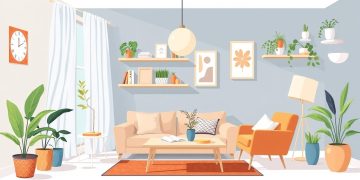
Discover how minimalism can transform living spaces to enhance social interaction at home. By prioritizing simplicity and intentional design, individuals can create inviting environments that foster meaningful connections, reduce distractions, and promote deeper conversations among family and friends. Embrace minimalism for a more engaged, community-oriented lifestyle.

The Evolution of Minimalism: Trends and Ideas for Contemporary Spaces

The evolution of minimalism reflects a transformative design philosophy highlighting sustainability, functionality, and personalized spaces. Embracing eco-friendly materials and smart technology, modern minimalist aesthetics prioritize simplicity and tranquility, fostering environments that promote well-being while resonating with contemporary lifestyles and individual expression.

The Psychology of Simple Space: How Colors and Textures Influence Our Experience in Minimalist Environments

The interplay of colors and textures in minimalist environments significantly shapes our psychological experiences. By promoting tranquility, focus, and creativity, thoughtfully designed spaces enhance mental clarity and well-being. Embracing minimalist principles fosters emotional stability, social interaction, and a deeper connection to nature, transforming daily life through simplicity.

Transforming Common Spaces: How Minimalism Can Reimagine the Aesthetics of Your Home

Minimalism redefines home aesthetics by promoting simplicity and functionality. By decluttering and embracing purposeful design, you can transform common spaces into serene environments that enhance well-being. Incorporating natural elements, neutral color palettes, and multifunctional furniture not only creates visual harmony but also fosters a fulfilling lifestyle.

Digital Minimalism: Organizing Your Virtual Space for More Clarity and Focus

In a world dominated by digital distractions, embracing digital minimalism can enhance clarity and focus. By streamlining your virtual space, prioritizing meaningful interactions, and implementing mindful usage techniques, you can reclaim time and energy, fostering productivity and well-being in your personal and professional life.

Minimalism and Sustainability: Reducing Clutter and Consumption in Our Environments

Discover how embracing minimalism can lead to a sustainable future by reducing clutter and mindful consumption. This lifestyle fosters environmental responsibility, promotes financial savings, and enhances mental clarity, ultimately encouraging a deeper connection with both ourselves and the planet as we shift towards more sustainable living practices.

The Art of Letting Go: Strategies to Reduce Clutter in Personal Spaces

Discover effective strategies to reduce clutter in personal spaces and embrace minimalism for improved mental clarity and emotional well-being. Learn how to let go of emotional attachments to belongings, create a decluttering routine, and utilize digital solutions to foster a serene, organized environment that enhances your overall quality of life.

Organizing the Mind: Minimalism Techniques to Reduce Stress in Home Environments

Explore the transformative power of minimalism techniques in home environments to reduce stress and enhance mental clarity. By embracing simplicity, decluttering, and intentional living, you can create peaceful spaces that promote focus, tranquility, and emotional well-being, fostering a calmer mind in today’s chaotic world.

Minimalism in Practice: Tips for Efficiently Organizing Small Spaces

Discover the transformative power of minimalism for organizing small spaces. By embracing functionality, multi-functional furniture, and intentional design, you can cultivate a serene environment. Effective decluttering strategies and smart storage solutions enhance efficiency, creating a harmonious living space that promotes clarity and well-being amidst life's chaos.

The Importance of Visual Disorder: How to Simplify Spaces to Improve Mental Clarity

Visual disorder significantly impacts mental clarity, productivity, and well-being. Simplifying spaces through decluttering, thoughtful design, and intentional color use can reduce distractions and enhance focus. Adopting minimalist principles fosters creativity and emotional resilience, making it essential for individuals to cultivate clutter-free environments for improved cognitive function.