Menu

Time Management Tools that Promote Social Connection and Well-Being

Discover how time management tools enhance social connection and well-being in our digital age. By integrating features like shared calendars, collaborative platforms, and wellness applications, individuals can balance productivity with meaningful interactions. Embracing these tools fosters deeper relationships, ultimately promoting mental health and a harmonious lifestyle.

Time Management Strategies to Reduce Stress and Increase Productivity

Effective time management strategies are vital for reducing stress and enhancing productivity in today’s busy world. Techniques such as prioritization, time blocking, and digital tools help streamline tasks, create focus, and maintain a balanced approach, leading to improved well-being and job satisfaction. Embracing these methods can transform your daily routine.

The Role of Time Management in Creating Healthy and Sustainable Routines

Effective time management is essential for fostering healthy and sustainable routines. By prioritizing tasks, setting clear goals, and remaining flexible, individuals can reduce stress and enhance well-being. Implementing practical strategies promotes productivity and personal fulfillment, leading to better mental health and a more balanced lifestyle.

Time Management as a Tool for Establishing Healthy Boundaries Between Work and Personal Life

Effective time management is crucial for fostering healthy boundaries between work and personal life. By implementing strategies like prioritizing tasks, setting clear limits, and embracing flexibility, individuals can reduce stress and enhance overall well-being, ultimately leading to a balanced and fulfilling lifestyle.

The Influence of Time Management on Creating Spaces for Leisure and Self-Care Activities

Effective time management is crucial for creating spaces for leisure and self-care, enhancing well-being and reducing stress. By prioritizing personal time through structured schedules and digital tools, individuals can boost productivity and life satisfaction, ultimately fostering a healthier work-life balance and enriching their daily experiences.

The Influence of Food Labels on Nutritional Choices: How to Decode What You’re Eating

In a world where health is paramount, understanding food labels is crucial for making informed nutritional choices. By decoding nutritional information, ingredient lists, and marketing claims, consumers can navigate food options effectively, empowering themselves to support healthier eating habits and overall wellness.

The Impact of Plant-Based Diets on Long-Term Health

Embracing a plant-based diet significantly improves long-term health by reducing the risk of chronic diseases, promoting weight management, and enhancing gut health. This lifestyle choice also supports environmental sustainability and ethical consumption, making it a holistic approach to wellness. Ultimately, plant-rich diets contribute to better overall well-being.

Mindful Eating: Making Conscious Nutrition Choices

Explore the transformative practice of mindful eating, which fosters a deeper connection to food by promoting awareness, slow eating, and gratitude. This approach enhances digestion, supports healthier choices, and cultivates an improved relationship with food, encouraging sustainable nutrition and overall well-being. Embrace conscious nutrition for a healthier lifestyle.


Cultural Influences on Dietary Habits: Understanding Diverse Nutrition Choices

Cultural influences significantly shape dietary habits and nutrition choices worldwide. From traditional meals to religious dietary practices, these influences reflect communal identities and histories. Understanding diverse nutrition choices enhances appreciation for global cuisines while addressing contemporary health challenges through culturally informed approaches to food and nutrition.

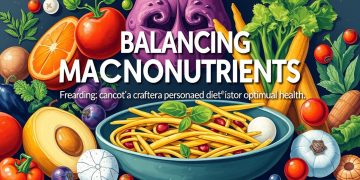
Balancing Macronutrients: Creating a Personalized Diet for Optimal Health

Discover the importance of balancing macronutrients—carbohydrates, proteins, and fats—for optimal health. Tailor your diet to your unique needs by assessing activity levels and health goals. Emphasize whole, nutrient-dense foods for better wellness and build a sustainable, enjoyable dietary approach that enhances your vitality.