Organizing the Mind: Minimalism Techniques to Reduce Stress in Home Environments

Embracing Minimalism for a Peaceful Home
In today’s fast-paced world, our homes can quickly become overwhelming. Between work, family obligations, and social commitments, it’s easy to let clutter accumulate. The physical chaos not only takes up valuable space but often leads to mental fatigue. This is where minimalism techniques come into play, offering a pathway to tranquility and clarity amidst life’s distractions.
Benefits of Minimalism in Home Environments
Adopting minimalism in your home can foster a series of significant benefits. Understanding these advantages can motivate anyone to consider making a change.
- Reduces Stress: A neat environment can lead to a clearer mind. Numerous studies indicate that clutter can raise cortisol levels, a hormone related to stress. Imagine walking into a room with clear surfaces, well-organized shelves, and intentional décor. This serene visual can help diminish feelings of anxiety and promote relaxation.
- Enhances Focus: Fewer distractions help maintain concentration. In a minimalist home, each item serves a purpose. This clarity allows individuals to focus better on tasks, whether it’s working from home or simply engaging in a hobby. For instance, a dedicated creative space free of unnecessary items can inspire productivity and innovation.
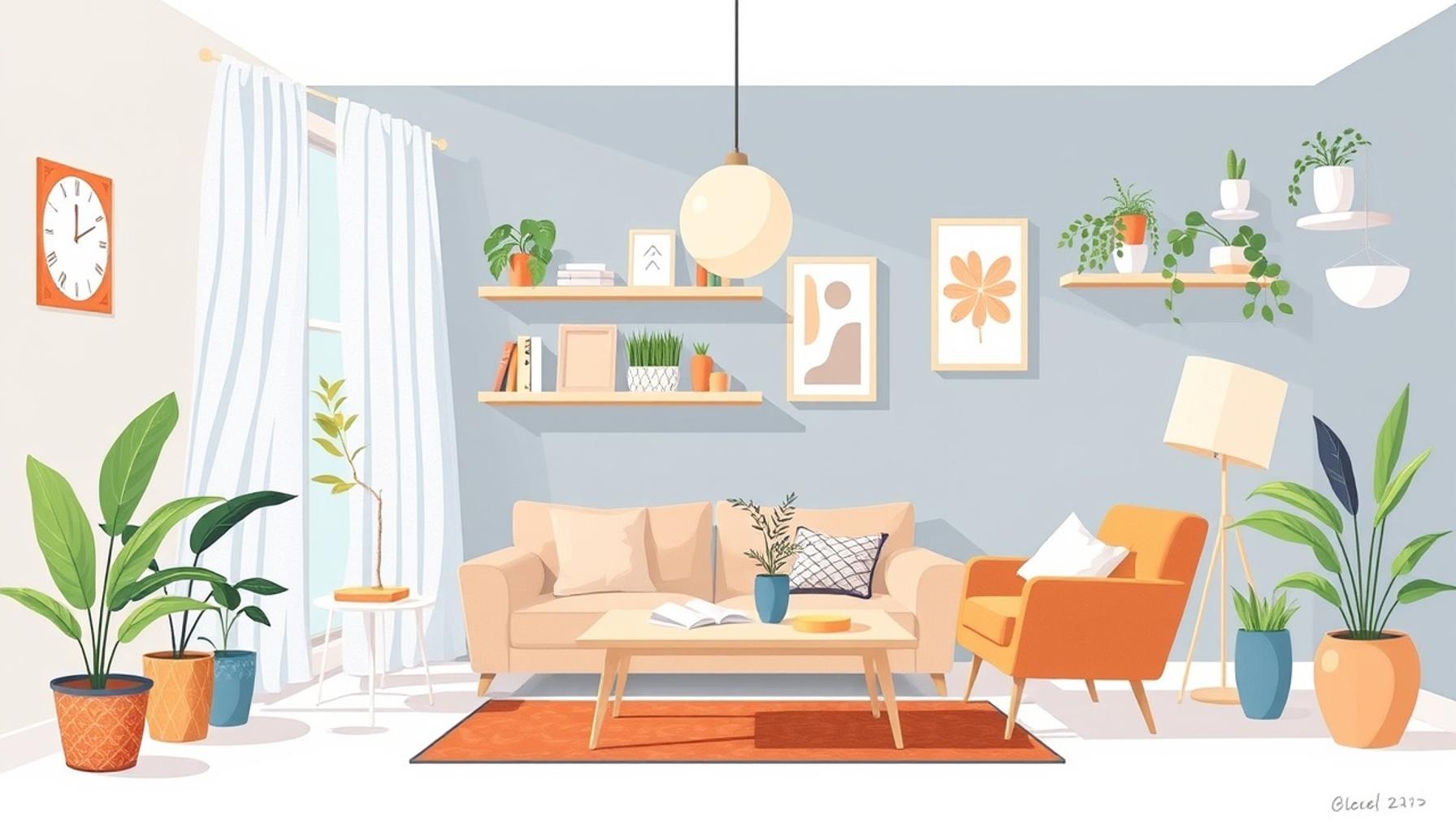
- Improves Aesthetics: A minimal space is often visually appealing. The principles of minimalism emphasize simplicity and functionality, leading to interiors that are not only stylish but also inviting. For example, homes styled with neutral colors, open spaces, and thoughtfully chosen art can create a sense of calm and peace.
By implementing simple yet effective strategies, individuals can transform their homes into sanctuaries. Here are a few techniques that can set you on the path to a more minimalist lifestyle:
- Declutter Regularly: Make it a habit to let go of items you no longer need. Engage in a seasonal decluttering ritual or follow the “one in, one out” rule. For every new item, consider removing an older one. This not only reduces clutter but also keeps your space well-maintained.
- Organize Effectively: Utilize storage solutions that maximize space while keeping things accessible. Consider investing in multifunctional furniture such as ottomans with storage space, or wall-mounted shelves that free up floor space. Organized kitchen counters, for instance, can help streamline meal preparation and encourage family interactions.
- Mindful Purchases: Adopt a more intentional approach when acquiring new items. Before making a purchase, ask yourself if the item aligns with your lifestyle and values. This not only curtails impulse buying but also fosters a more meaningful collection of belongings.
These steps not only clear physical space but also promote a healthier mental state. Embracing minimalism isn’t about strict limitations; it’s about creating a living environment that enhances your quality of life. As you explore these minimalism techniques, you’ll discover that the art of organizing the mind in your home environment can lead to reduced stress and increased wellbeing. Through mindful choices and strategic decluttering, you can create a peaceful haven that nurtures your spirit and supports your daily activities.
Strategic Techniques for a Minimalist Mindset
To effectively embrace minimalism and convert your home into a stress-free haven, it is essential to deploy strategic techniques that can be seamlessly integrated into your daily routines. These tactics not only enhance the aesthetics of your living space but also cultivate an atmosphere that promotes mental clarity and emotional resilience.
Establish a Daily Decluttering Routine
One of the most effective minimalism techniques is to create a consistent schedule for decluttering. Instead of viewing decluttering as a daunting task reserved for spring cleaning, try to integrate small, daily rituals into your life. This could be as simple as setting aside 10-15 minutes each evening to tackle a specific area or room.
- Identify High-Clutter Areas: Determine which spaces in your home tend to accumulate the most clutter, such as entryways, kitchens, or home offices. Focus on these areas during your decluttering sessions to gain immediate rewards.
- Use the Four-Box Method: When decluttering, label four boxes as “Keep,” “Donate,” “Trash,” and “Revisit.” This way, you can make decisions about your belongings quickly and systematically, ensuring that everything that remains in your home serves a purpose.
- Set Goals: Aim for specific decluttering goals, such as reducing the number of items in a particular space or maximizing your storage solutions. Tracking your progress can be a motivating factor that reinforces your commitment to minimalism.
Create Zones for Mindful Organization
A minimalist approach doesn’t just mean removing items; it also focuses on how you organize what remains. Designating specific zones for different activities can immensely decrease the mental load that comes with disorganization. For example, think about creating a dedicated workspace that fosters productivity and a calming reading nook that encourages relaxation.
- Functional Spaces: Choose furniture and decor that serve multiple purposes. A coffee table can double as storage for books and magazines, reducing visual clutter while remaining functional.
- Zoned Storage: Organize items based on their use. Group related items together, such as kitchen tools or office supplies, to simplify daily routines and keep everything within easy reach.
- Visual Consistency: Opt for uniform storage solutions, such as baskets or containers, which can create a cohesive look in your home. This visual uniformity not only makes your space more attractive but also aids in maintaining order.
By integrating these minimalist techniques into your daily life, you will not only enjoy a more organized home but also cultivate a sense of calm and clarity in your mind. As your living space transforms, you may find your mental state following suit—leading to reduced stress and greater overall well-being. Transitioning to a minimalist mindset requires time and patience, but the tangible benefits are well worth the effort as you strive to organize the mind within the sanctuary of your home.
| Minimalism Techniques | Advantages |
|---|---|
| Decluttering | Reduces anxiety by eliminating distractions that can overwhelm your mind. |
| Intentional Living | Promotes mindfulness and enhances focus on what truly matters in your daily life. |
| Simple Decor | Creates a calming atmosphere that fosters relaxation and stress reduction. |
Incorporating these minimalism techniques into your home environment provides numerous benefits that contribute to a more serene lifestyle. For instance, decluttering not only clears physical space but also mentally liberates you from constant visual noise, allowing room for creativity and tranquility. Meanwhile, intentional living encourages you to reflect upon your priorities, streamlining your daily activities and engagements, thus lifting heavy burdens from your mind.A simple decor approach can lead to a phenomenal transformation in your living space, promoting a peaceful ambiance that cultivates restorative energy. By embracing fewer visual stimuli, individuals find themselves better equipped to focus on essential tasks and enjoy moments of relaxation without the chaos often associated with cluttered environments. As you explore these techniques, you’ll discover a path towards a clearer mind and a more fulfilling home life.
Enhancing Mental Clarity Through Thoughtful Design
Creating a minimalist environment extends beyond merely decluttering and organizing; it also involves designing your space to promote mental clarity and emotional well-being. By making mindful choices about how your home is arranged, you can foster an atmosphere that enhances focus and reduces stress.
Incorporate Natural Elements
Adding natural elements to your home can significantly impact your state of mind. Research has demonstrated that exposure to nature can decrease stress levels and improve overall mental health. Consider incorporating the following natural elements into your minimalist design:
- Indoor Plants: Bringing greenery into your space not only purifies the air but also provides a calming visual aesthetic. Plants such as snake plants, peace lilies, and pothos are low-maintenance options perfect for any room.
- Natural Light: Maximizing natural light can enhance mood and productivity. Opt for sheer curtains that allow sunlight to filter through, transforming your space into a brighter, more inviting environment.
- Natural Materials: Use furniture and decor made from wood, cotton, and stone to create a calming atmosphere. Organic textures and earthy tones connect you to the natural world and contribute to a sense of serenity.
Curate a Minimalist Color Palette
The colors in your home play a crucial role in shaping your emotional response to your environment. A minimalist color palette emphasizes calm and clarity. To achieve this, consider the following strategies:
- Neutral Tones: Embrace a palette of whites, grays, and beiges that creates a serene backdrop while highlighting the beauty of your minimalist decor. These colors can make your space feel more open and spacious.
- Pops of Color: Use a few carefully selected accent colors to infuse personality while maintaining an overall minimalist aesthetic. Select items like a decorative pillow or a piece of art that can serve as a focal point without overwhelming the senses.
- Consistent Color Themes: Integrate color throughout your home to create harmony and cohesion. Matching hues in various rooms can give your home a well-established flow, further reducing feelings of chaos.
Establishing Mindful Tech Boundaries
In an age dominated by technology, establishing boundaries is crucial for mental organization and stress reduction. Implementing the following techniques can create a balanced relationship with technology in your minimalist home:
- Designated Tech-Free Zones: Consider creating areas in your home where technology is not permitted, such as the bedroom or dining area. This encourages quality time spent with family or moments of peace away from screen time.
- Limit Digital Clutter: Just as physical clutter can create stress, digital clutter can be equally overwhelming. Regularly organize your digital files, unsubscribe from unwanted emails, and limit social media usage to maintain a calm digital environment.
- Optimal Tech Placement: Be mindful of where you place technology in your home. Designate specific areas for devices to avoid a chaotic mix of gadgets and personal items. This can streamline your routines and reduce visual clutter.
By thoughtfully designing your space with these elements, you can lay the groundwork for a lifestyle that values tranquility, focus, and simplicity. Integrating these strategies into your minimalist approach not only benefits your home but also transforms your mental landscape, unveiling clarity and calmness within the confines of your living environment.
Conclusion: Embracing Minimalism for a Calmer Mind
In today’s fast-paced world, organizing the mind through the principles of minimalism presents a powerful antidote to stress and anxiety often fostered by chaotic living environments. By implementing intentional design choices that include incorporating natural elements, curating a minimalist color palette, and establishing mindful tech boundaries, individuals can transform their homes into sanctuaries of peace and focus.
The beauty of minimalism lies in its adaptability; it challenges us to reassess our attachments and prioritize what genuinely contributes to our well-being. As you reflect on your space, consider the impact that every item, color, and element has on your mental state. The addition of indoor plants or streams of natural light can elevate your mood, while a cohesive color scheme fosters tranquility.
Furthermore, in an age where devices dominate our attention, creating tech-free zones allows for a necessary disconnection that encourages mindfulness and reconnects us with our immediate surroundings. Embracing these minimalism techniques not only enriches your physical environment but also nurtures a calmer and more organized mind.
Ultimately, the journey towards a minimalist lifestyle paves the way for clarity and calmness, guiding you towards a deeper understanding of what it means to live intentionally. As you embark on this rewarding path, remember that every small change contributes to a more harmonious and stress-free home, creating an oasis where your mind can thrive.

Linda Carter is a writer and organization expert specializing in minimalism and personal organization. With extensive experience helping individuals create clutter-free, functional spaces and adopt mindful habits, Linda shares her knowledge on our platform. Her goal is to empower readers with practical advice and strategies to simplify their lives, stay organized, and achieve a sense of calm and balance in their daily routines.