
How to Choose the Right Makeup Products for Your Skin Type

Understanding Your Skin Type for Better Makeup Choices
In the world of beauty, navigating through an array of makeup products can be quite daunting. Yet, the foundation of an effective makeup routine lies in a deep understanding of your unique skin type. Recognizing this can not only simplify your choices but can also elevate your beauty regimen to new heights, ensuring that you look and feel your best.
To optimize your beauty routine, let’s delve into the characteristics of key skin types:
- Oily Skin: Individuals with oily skin often battle shine and enlarged pores. For this skin type, look for mattifying foundations and powders that control oil production without drying you out. Products labeled as “oil-free” or “long-wear” can be particularly effective, as they help maintain a matte finish throughout the day. Brands like Estée Lauder and Fenty Beauty offer foundations specifically designed for oily skin.
- Dry Skin: If your skin feels tight or rough, you’re likely dealing with dryness. To combat this, focus on hydrating creams and liquid foundations that infuse moisture back into the skin. Ingredients like hyaluronic acid and glycerin are great for maintaining hydration. Foundations from Tarte and Nars often feature luxurious formulations that cater to dry skin, preventing the dreaded flaky appearance.
- Combination Skin: Those with combination skin experience both oily and dry areas, usually with an oily T-zone and dry cheeks. The key is to achieve balance with products that address both oil and moisture. Look for multitasking foundations that provide hydration without amplifying oiliness, like the BareMinerals Complexion Rescue. Using a gentle exfoliant can also help maintain an even skin texture.
- Sensitive Skin: Sensitive skin requires a gentle approach. Look for hypoallergenic and fragrance-free makeup to minimize irritation. Ingredients should be kept simple; mineral makeup brands such as Bare Minerals and Alima Pure tend to be well-tolerated by sensitive skin, ensuring that your makeup enhances your beauty without discomfort.
Each skin type has specific needs, which can significantly influence the effectiveness of makeup products. Therefore, choosing the right products can not only help achieve that coveted flawless look, but also enhance your natural features and promote overall skin health. A well-fitted foundation, strategic powder application, and the right blush can be game changers in how long your makeup lasts and how it looks at the end of the day.
Furthermore, understanding your skin’s undertones—whether they are warm, cool, or neutral—is essential when selecting colors. Products that align with your undertones tend to enhance your complexion, creating a more harmonious and flattering appearance. For example, individuals with warm undertones often shine in shades of peach or golden hues, while cooler undertones may favor pinks or blues.
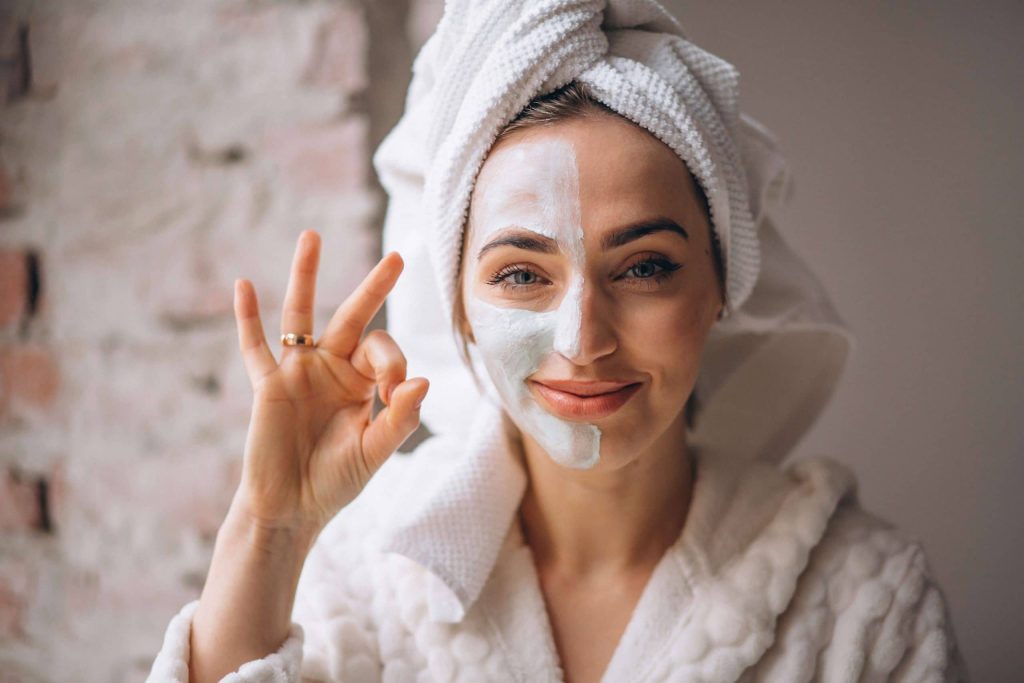
In subsequent sections, we will explore how to accurately identify your skin type, the ideal makeup products tailored for each category, and valuable tips for making informed choices that cater to your unique complexion. Enjoy the journey to mastering your makeup skills—let’s dive deeper into this colorful world!
DISCOVER MORE: Click here for essential makeup organization tips
Identifying Your Skin Type
Before diving into the vast world of makeup, effectively choosing products that cater to your unique needs begins with accurately identifying your skin type. Skin can often be confusing, as it can change with climate, diet, and hormonal fluctuations. However, a few simple tests can help you determine your skin type, allowing for a more tailored approach to makeup application.
To identify your skin type, follow these steps:
- The Bare-Faced Test: Start by cleansing your face to remove any makeup and impurities. Wait for about an hour—this allows your skin to return to its natural state. Observe how your skin feels and looks during this time.
- Oily Skin Indicator: If your skin appears shiny, especially on the forehead, nose, and chin (the T-zone), and you feel a greasy residue when touching your face, you might have oily skin.
- Dry Skin Indicator: If your skin feels tight, rough, or shows signs of flakiness, you likely have dry skin. Dry skin may also exaggerate fine lines and appear dull.
- Combination Skin Indicator: If you notice oily areas in your T-zone but experience dryness on your cheeks or elsewhere, you have combination skin. This type requires a hybrid approach for effective product selection.
- Sensitive Skin Indicator: If your skin frequently feels irritated, itchy, or develops redness with certain products or environmental factors, then you have sensitive skin. This type often reacts to fragrances and other harsh ingredients.
Aside from the above indicators, consider your skin’s behavior throughout the month. Some people experience changes related to their menstrual cycle, stress levels, or even seasonal shifts, making it essential to maintain a flexible product selection.
Understanding Skin Sensitivity and Conditions
Your skin type can sometimes be further impacted by various conditions such as rosacea, eczema, or acne. If you struggle with any of these concerns, it’s crucial to select makeup that not only complements your skin type but also addresses these conditions. For instance, those with acne-prone skin should lean towards non-comedogenic products that won’t clog pores, while sensitive individuals should prioritize products labeled as “dermatologist-tested” or “fragrance-free.”
In general, taking the time to analyze your skin type will pay off in the long run, resulting in the right makeup choices that enhance your natural beauty rather than hinder it. Remember, each product you apply is a reflection of not just your style, but how well you understand and nurture your skin.
In our next section, we will explore the essential skincare preparation steps that serve as a foundation for your makeup application. Discovering the right serums, moisturizers, and primers will be your ultimate game-changer in achieving that flawless look!
Understanding Your Skin Type
Choosing the right makeup products starts with understanding your skin type. There are generally four main types: oily, dry, combination, and sensitive. Each skin type has unique characteristics that significantly affect how products perform on your face.
Oily Skin
If you have oily skin, you might notice a shiny complexion, especially in the T-zone area (forehead, nose, and chin). The key here is to opt for oil-free, matte-finish foundations and powders that help control shine throughout the day. Look for products labeled as “non-comedogenic” to avoid clogged pores and blemishes.
Dry Skin
Dry skin often feels tight or flaky. For this skin type, hydration is crucial. Creamy foundations and moisturizing formulas work best, as they hydrate while providing coverage. Ingredients like hyaluronic acid and glycerin are excellent choices, as they attract moisture to the skin.
Combination Skin
Combination skin presents its own challenges, often presenting an oily T-zone while the rest of the face remains dry or normal. Balance is key, so look for multitasking products like tinted moisturizers or light foundations that won’t exacerbate the oily areas while moisturizing the dry patches.
Sensitive Skin
Sensitive skin can react to various products, leading to irritation or redness. It’s essential to seek out hypoallergenic and fragrance-free options. Mineral-based foundations can be less irritating and provide coverage without compromising skin health. Makeup with soothing ingredients can also minimize potential flare-ups.
Essential Ingredients for Makeup
Understanding the ingredients in your makeup products is essential. Ingredients such as salicylic acid can benefit oily skin, while sheer butter can provide nourishment for dry skin. Additionally, always check for SPF in your products to protect your skin from sun damage.
| Category | Key Features |
|---|---|
| Oily Skin | Opt for oil-free, matte formulas |
| Dry Skin | Use creamy, hydrating products |
| Combination Skin | Balance is essential with multitasking items |
| Sensitive Skin | Choose hypoallergenic and fragrance-free products |
By identifying your skin type and understanding the essential ingredients suited for each category, you can select makeup products that not only enhance your look but also cater to the unique needs of your skin.
DIVE DEEPER: Click here to discover sustainable nail art tips
Choosing Makeup Based on Your Skin Type
Once you’ve successfully identified your skin type and any specific conditions, the next step is to choose the right makeup products tailored to your unique needs. Selecting makeup can feel overwhelming given the plethora of options available, but understanding how various formulations interact with your skin type can significantly simplify the decision-making process.
Foundation Choices for Different Skin Types
The foundation is often the cornerstone of any makeup routine, and choosing the right formula is crucial:
- For Oily Skin: Opt for a matte or oil-free foundation. These products help control shine and are usually long-wearing, preventing that midday breakthrough shine that can occur. Look for formulations that are marked as non-comedogenic to avoid clogged pores.
- For Dry Skin: Hydrating foundations with creamy textures or those containing hyaluronic acid can impart a healthy glow and prevent your skin from looking flaky. Consider liquid or cream foundations that provide a dewy finish.
- For Combination Skin: A flexible foundation is key. You may want to use a matte foundation on the T-zone while opting for a hydrating formula on your cheeks. Alternatively, a balanced liquid foundation that works for both areas can also be a great option.
- For Sensitive Skin: Mineral foundations are often a safe choice since they contain fewer irritating ingredients. Choose products free from fragrances, parabens, and other potential irritants to keep flare-ups at bay.
- For Acne-Prone Skin: Look for foundations labeled as oil-free and non-comedogenic. Additionally, those containing salicylic acid can help combat breakouts while providing coverage.
Selecting Other Makeup Essentials
Beyond foundation, consider how other makeup essentials, such as primers and concealers, affect your overall look based on your skin type. Here are some specific guidelines:
- Primers: For oily skin, use a mattifying primer to maintain your fresh look throughout the day. Those with dry skin should seek hydrating primers enriched with vitamins or glycerin to help your foundation glide on smoothly.
- Concealers: If you are covering blemishes or red spots, thicker, full-coverage concealers can offer the coverage you need. However, for under-eye circles, a lightweight, hydrating concealer works best for delivering a natural effect without settling into fine lines.
- Powders: People with oily skin may benefit from a translucent powder to set makeup and absorb excess oil. However, those with dry skin should consider a finely milled setting powder to avoid emphasizing dryness.
- Blush and Highlighters: Cream blushes and liquid highlighters can add radiance without the powdery finish on dry skin, while powdered versions can work well for oily skin.
As you navigate through the myriad of makeup choices, remember that ingredient lists are essential. Products enriched with beneficial components like antioxidants, vitamins, and natural oils can provide added skin care benefits alongside their cosmetic purpose. Always patch-test a new product if you’re uncertain about its compatibility with your skin type, as this can prevent adverse reactions.
Ultimately, the goal is to choose products that complement, enhance, and support your skin’s health rather than hinder it. By aligning your makeup choices with your skin type, you’ll not only achieve a flattering finish but also embrace your natural radiance.
DISCOVER MORE: Click here to get tips on organizing your makeup
Understanding Your Makeup Choices
Choosing the right makeup products for your skin type is essential for achieving a flawless look while maintaining your skin’s health. By understanding how different formulations interact with your skin—whether it be oily, dry, combination, sensitive, or acne-prone—you can elevate your beauty routine to new heights. For example, individuals with oily skin may benefit from oil-free or mattifying foundations that help control shine throughout the day, while those with dry skin might opt for cream-based formulas that provide added hydration and a dewy finish. Remember that each product, from foundation to concealer, plays a critical role in enhancing your natural features without compromising your skin’s condition.
As you embark on your makeup journey, understanding the ingredients in your products is just as crucial as the formulations themselves. Look for products enriched with beneficial components, such as antioxidants, vitamins, and hydrating agents, to provide extra care alongside cosmetic coverage. For instance, foundations containing Vitamin E can help protect the skin from environmental stressors, while those infused with hyaluronic acid can deliver moisture and keep the skin looking plump. Don’t hesitate to experiment with patch tests for new formulations; applying a small amount on your wrist or behind your ear can help ensure compatibility and avoid adverse reactions later on.
Ultimately, the experience of selecting makeup tailored to your unique skin type is a blend of artistry and science. Embrace the pursuit of enhancing your beauty while prioritizing skin health. By making informed choices based on your skin’s characteristics, you’re not only ensuring a captivating appearance but also fostering your skin’s well-being. Your quest for the perfect makeup products is not just about aesthetics; it’s an opportunity to discover and celebrate your natural beauty. Remember, it’s about more than just the surface; it’s about crafting a routine that honors who you are, showcasing your individuality while caring for your skin in the process.