Cultural Nail Art: Inspirations from Different Cultures and Their Representations on Nails
The Allure of Cultural Nail Art
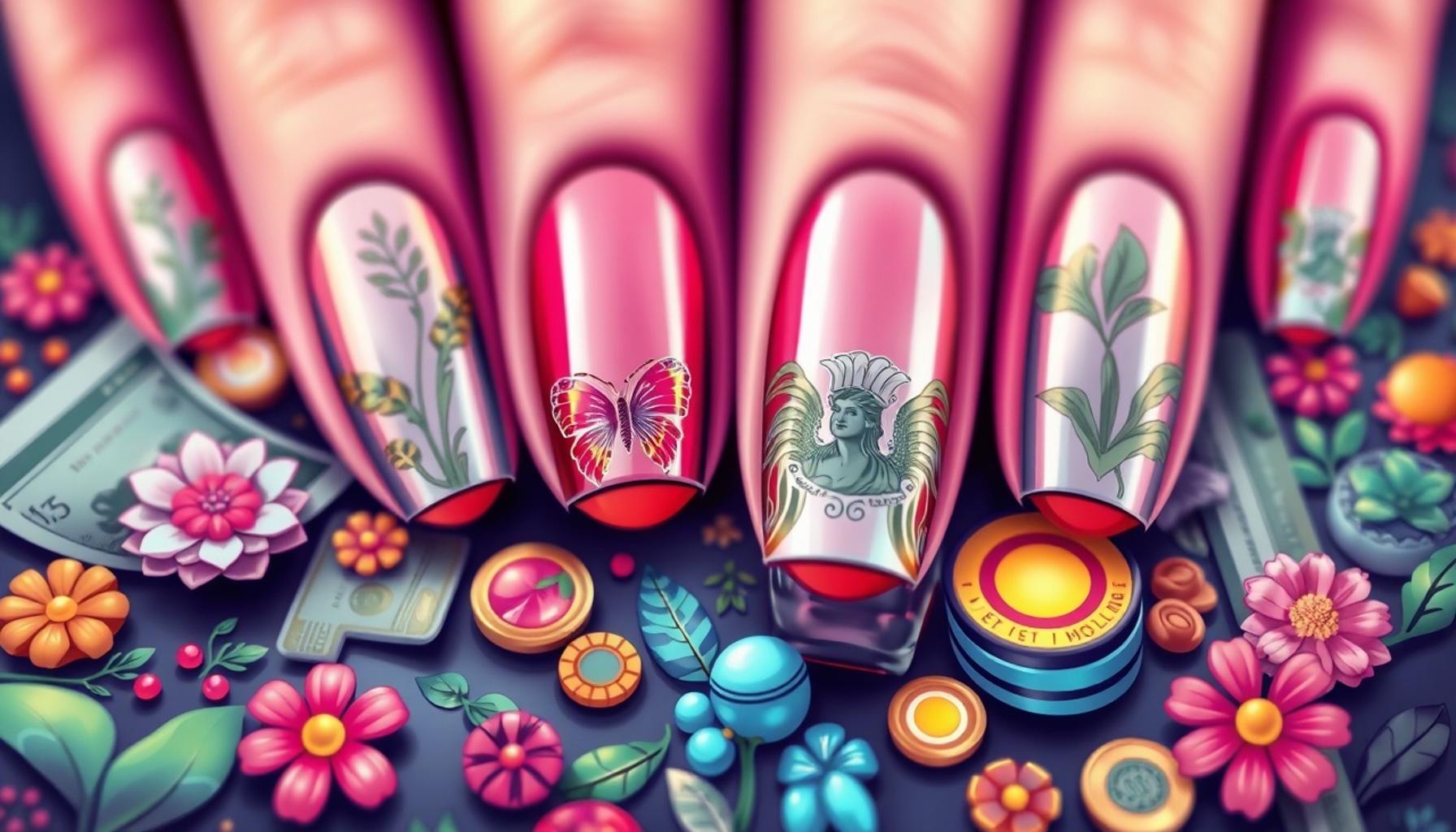
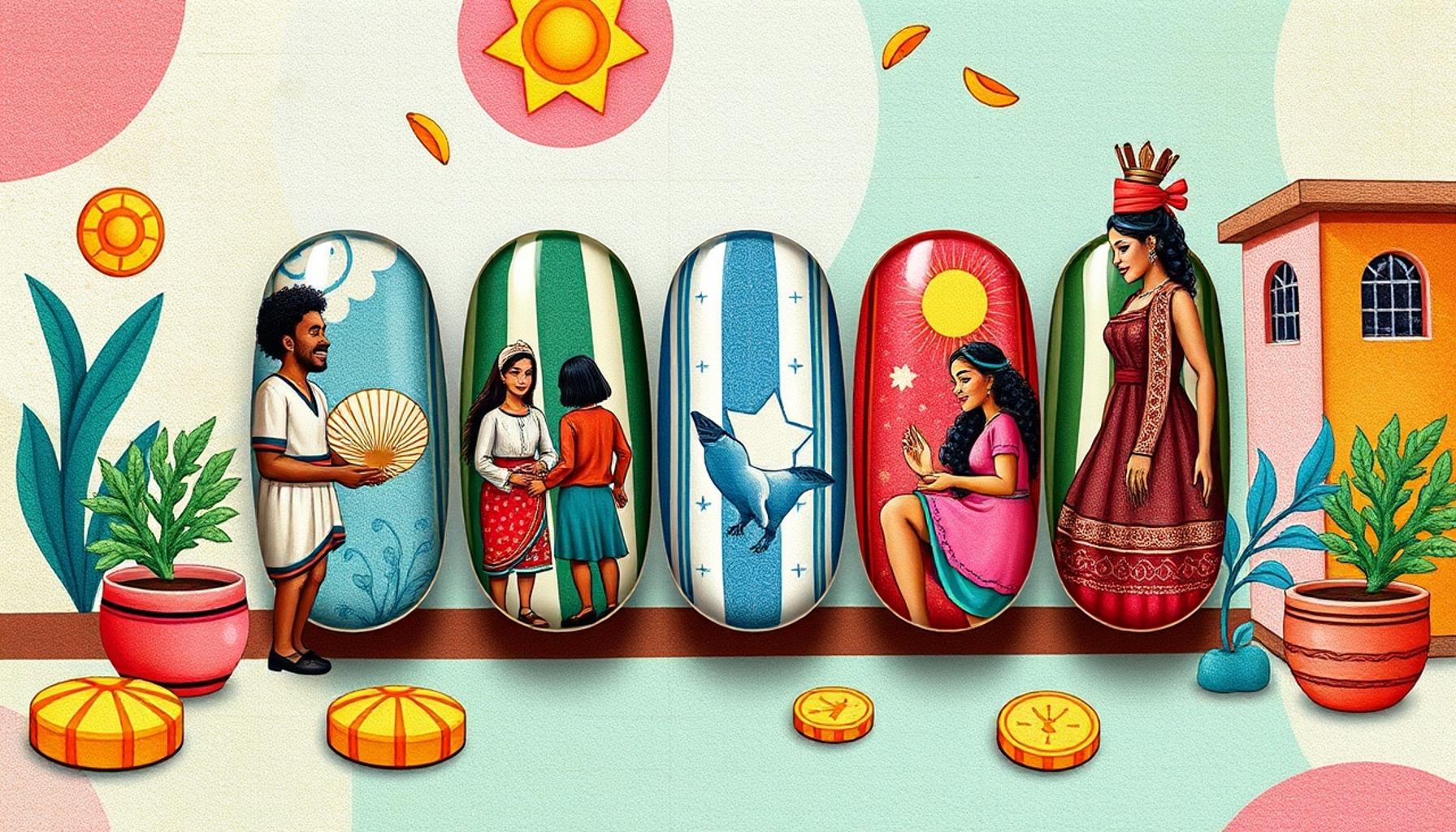
Nail art has transcended mere decoration, morphing into a fascinating form of self-expression that reflects the diverse cultures of the world. Each intricate design tells a unique story, intertwining personal identity with rich cultural narratives that span generations. From the bustling urban landscapes of New York City to the art galleries of Los Angeles, enthusiasts celebrate this modern canvas, bridging the old with the new.
The representation of culture through nail art manifests in a variety of striking forms. For example, Indigenous Patterns, inspired by the art of Native American tribes, often showcase natural motifs. Designs can include feathers, totems, and symbolic animals like wolves and eagles, which represent spiritual attributes and stories deeply rooted in the environment and cultural heritage. These nail art designs serve not just as decoration but as vital symbols of identity and respect for nature, igniting conversations about indigenous histories.
Henna Designs are another popular cultural expression, particularly prominent in Indian heritage. Known for their intricate floral patterns and graceful swirls, henna-inspired nail art mirrors the temporary body adornment seen during weddings and festivals. Artists use fine brushes to create delicate motifs that capture the essence of celebration and femininity, inviting wearers to explore a deeper connection with their cultural roots during significant life events.
Meanwhile, Japanese Aesthetics bring to life elements from nature, such as cherry blossoms and koi fish. These designs are celebrated for their elegance and symbolism—cherry blossoms representing the beauty of transience while koi fish symbolize perseverance and strength. Japanese nail art often incorporates soft colors and minimalist styles, reflecting a thoughtful and serene approach—an embodiment of the concept of “less is more.”
Additionally, nail art reflecting African Tribes infuses boldness and vibrancy into the mix. Geometric shapes and vivid colors pay homage to various African cultures, resonating with the patterns found in traditional textiles and beadwork. This art form not only celebrates African heritage but also serves as a visual narrative that resonates with an audience familiar with contemporary African fashion trends.
Ultimately, these designs do more than beautify nails; they serve as a powerful vehicle for cultural representation. Nail art communicates heritage and bridges diverse communities, generating a dialogue around the stories and traditions behind each design. As we explore the world of cultural nail art, we discover a universal language that transcends borders, urging us to center our appreciation on the creativity and beauty inherent in our global connections. Each brushstroke captures fragments of history and identity, inviting the wearer—and observer—to delve into the myriad of cultural stories waiting to be uncovered.
DISCOVER MORE: Click here to find the perfect hair treatment for you
Diversifying the Nail Art Palette: Global Inspirations
As the world grows increasingly interconnected, the influence of cultural nail art continues to expand and evolve. Nail art enthusiasts and artists alike draw inspiration from a myriad of cultural motifs and designs, each carrying its own significance. Below, we explore some remarkable cultural influences that shape today’s nail art landscape, showcasing how they are beautifully represented on nails.
The Rich Legacy of Moroccan Designs
One cannot discuss cultural nail art without acknowledging the stunning geometric patterns synonymous with Moroccan art. Characterized by intricate motifs inspired by Islamic architecture, these designs often incorporate vibrant colors like cobalt blue, green, and gold, mirroring the beautiful tiles found in Moroccan palaces. Nail artists employ these elements to create eye-catching designs that reflect symmetry and elegance. As these patterns translate into nail art, they provide wearers with a vibrant reminder of Morocco’s artistic legacy, inviting contemplation of its historical significance.
Cultural Syncretism in Latin American Art
Latin American nail art brings forth a fusion of traditional and contemporary elements, often inspired by the vibrant festivities and rich folklore of the region. For instance, Day of the Dead celebrations in Mexico inspire nail art featuring sugar skulls adorned with flowers, symbolizing both remembrance and celebration of life. The designs incorporate lively colors like pink, yellow, and turquoise, making them not only visually striking but also deeply meaningful. Additionally, the use of tropical motifs—like palm leaves and exotic flowers—reflects the lush landscapes of Latin America, infusing wearers with a sense of their cultural roots.
Celebrating Chinese Heritage Through Nail Art
Nail art inspired by Chinese culture often highlights intricate designs that celebrate significant symbols such as dragons, lotus flowers, and cherry blossoms. The use of rich reds and golds not only mirrors traditional color schemes associated with luck and prosperity but also speaks to a deeper appreciation of cultural values. Designs may showcase the elegance of calligraphy or even depictions of zodiac animals, conveying personality and destiny through art. Nail artists dedicated to exploring this cultural influence invite both pride and curiosity around Chinese traditions through their creative expression.
Exploring Indigenous Inspirations
Indigenous cultures continue to inspire contemporary nail artistry in profound ways. Nail designs featuring tribal patterns, totems, or symbols serve as homage to the wisdom of Indigenous peoples and their connections to the land. Often, earthy tones such as terracotta, ochre, and deep greens are used to create designs that echo the natural world and cultural narratives passed through generations. These nail art interpretations also encourage reflection and recognition of Indigenous histories, fostering respect and understanding in a modern context.
- Moroccan Patterns: Intricate geometric designs inspired by Islamic architecture.
- Latin American Influences: Day of the Dead motifs and tropical elements.
- Chinese Symbolism: Dragons, lotus flowers, and zodiac animals integrated into nail art.
- Indigenous Tribes: Earthy tones and tribal patterns that celebrate spiritual connections.
By intertwining these rich cultural inspirations, nail art transcends aesthetic appeal, serving as a profound statement about identity and heritage. As the community of nail art continues to flourish, it opens new avenues for cultural dialogue, prompting wearers and observers alike to immerse themselves in the fascinating stories behind these designs.
| Cultural Influence | Artistic Expression |
|---|---|
| Japanese Kanji | Intricate designs featuring symbols of wisdom and strength can tell personal stories. |
| African Patterns | Vibrant colors and geometric shapes that reflect cultural heritage make nails visually striking. |
| Indigenous Motifs | Celebrates local flora and fauna through art, enhancing the connection to nature. |
| Hindu Inspiration | Rangoli-inspired designs can symbolize prosperity and good fortune, enriching cultural festivities. |
| Western Pop Cultures | Incorporating modern elements from movies and music can create an impactful statement. |
Exploring the captivating world of cultural nail art goes beyond mere aesthetics; it delves into the rich tapestry of heritage each design represents. From the enchanting Japanese Kanji to the evocative patterns found in African cultures, nail art becomes a canvas for storytelling and personal expression. Each motif carries with it a wealth of meaning, connecting individuals to their roots while allowing them to showcase their identity in a unique manner. As these designs gain popularity globally, they invite others to appreciate the diverse narratives found in such art forms, fostering a greater understanding of the world around us. With the fusion of these artistic representations, nail art becomes not just an accessory but a powerful medium of cultural celebration, sparking interest in the practices and stories that inspire them.
DISCOVER MORE: Click here to uncover the benefits
Embracing Diversity: The Influence of Cultural Aesthetics
The world of cultural nail art is a vivid tapestry woven from threads of history, tradition, and personal expression. As nail artists continue to innovate, they breathe new life into age-old customs and motifs, drawing inspiration from broader themes that unite cultures while celebrating their uniqueness. This section delves deeper into how various global cultures impact contemporary nail artistry, highlighting unique elements that translate into dazzling nail designs.
Indian Henna-Inspired Nail Art
One cannot overlook the influence of traditional Indian henna designs, which have found their place in the realm of nail art. Known for their intricate patterns, these designs often incorporate floral motifs, paisleys, and mandalas, symbolizing beauty and celebration. Nail artists frequently use a rich palette of colors, such as deep reds, golds, and vibrant greens—echoing the hues associated with Indian festivals such as Diwali and Holi. By utilizing techniques like negative space and detailed brushwork, artists are able to replicate the elaborate details of henna on nails, creating a stunning representation of Indian culture that feels both festive and impactful.
Japanese Minimalism
Japanese culture emphasizes simplicity and minimalism, a philosophy that translates beautifully to nail art. Designs inspired by Japanese aesthetics often focus on understated elegance, incorporating elements like cherry blossoms, koi fish, and calligraphy. With a preference for muted tones paired with occasional pops of color, these designs convey a sense of calm and balance. The trend of kanazawa nail art, which uses gold leaf to create delicate, eye-catching patterns, has gained traction worldwide. This approach aligns with the Japanese concept of ‘wabi-sabi’—finding beauty in imperfection, reminding wearers of the value of subtlety and simplicity in their nail presentation.
African Heritage and Textiles
African-inspired nail art vividly showcases the continent’s rich tapestry of culture and history through bold colors and intricate patterns reminiscent of traditional textiles. Designs may feature tribal prints, animal motifs, or vibrant patterns influenced by batik and kente cloth. Many nail artists choose a mix of matte and glossy finishes to enhance the 3D effect of these designs, making them visually striking. In the U.S., this trend has garnered significant attention, with nail art reflecting the pride of the African diaspora and celebrating African heritage. Nail art inspired by Afrocentric themes often serves as a celebration of identity and empowerment, providing a sense of connection to culture and community.
Contemporary Western Art Influences
In recent years, Western nail art has been significantly influenced by popular culture, incorporating designs from street art, pop music, and high fashion. Artists frequently draw inspiration from famous artworks—including abstract expressionism and graffiti—to create bold, avant-garde designs. Techniques such as ombre effects, holographic foils, and intricate hand-painted illustrations are just some of the methods used to capture the spirit of contemporary art movements. This interaction between nail art and modern aesthetics encourages creativity and evokes a sense of rebellion, appealing to the trend of self-expression and individuality in Western cultures.
- Indian Henna: Intricate floral and paisley designs embodying celebration and beauty.
- Japanese Minimalism: Simple, elegant motifs such as cherry blossoms and koi fish.
- African Heritage: Bold colors and patterns influenced by traditional textiles.
- Western Contemporary Art: Styles inspired by pop culture, street art, and avant-garde movements.
Through the lens of cultural nail art, the beauty of diversity is on full display. As artists continue to explore and reinterpret these rich heritages, they not only beautify hands but also foster a deeper understanding and appreciation for the world’s myriad cultures. This exploration summons wearers to celebrate their own stories and identities while engaging with global narratives through the artistry of nails.
DISCOVER: Click here to learn how to build your signature fragrance collection
Conclusion: A Fusion of Cultures and Creativity
In the realm of cultural nail art, we witness a vibrant fusion of traditions, symbols, and personal stories that traverse geographical boundaries. From the intricately detailed Indian henna designs and the elegant minimalism of Japanese aesthetics to the bold expressions of African heritage and the dynamic influences of Western contemporary art, nail artistry has become a canvas for cultural dialogue and exchange. Each nail design serves as a reminder of the deep-rooted meanings and histories that shape our identities.
This intersection of culture and creativity calls upon wearers to not only embrace their heritage but also to appreciate the diversity that exists in our global community. As nail artists continue to push boundaries and innovate, they foster a heightened awareness of the cultural narratives that inform their work, inviting curiosity and discussion among audiences. For enthusiasts of nail art, this exploration can be a catalyst for discovering the rich tapestry of global cultures, inspiring individuals to connect on multiple levels.
As trends evolve and the world becomes increasingly interconnected, the future of cultural nail art holds immense potential for even more creativity and inclusivity. By celebrating these artistic expressions, we not only adorn our nails but also contribute to a broader understanding of cultural significance and representation. In doing so, we empower ourselves and others to express who we are in a visually stunning and meaningful way.