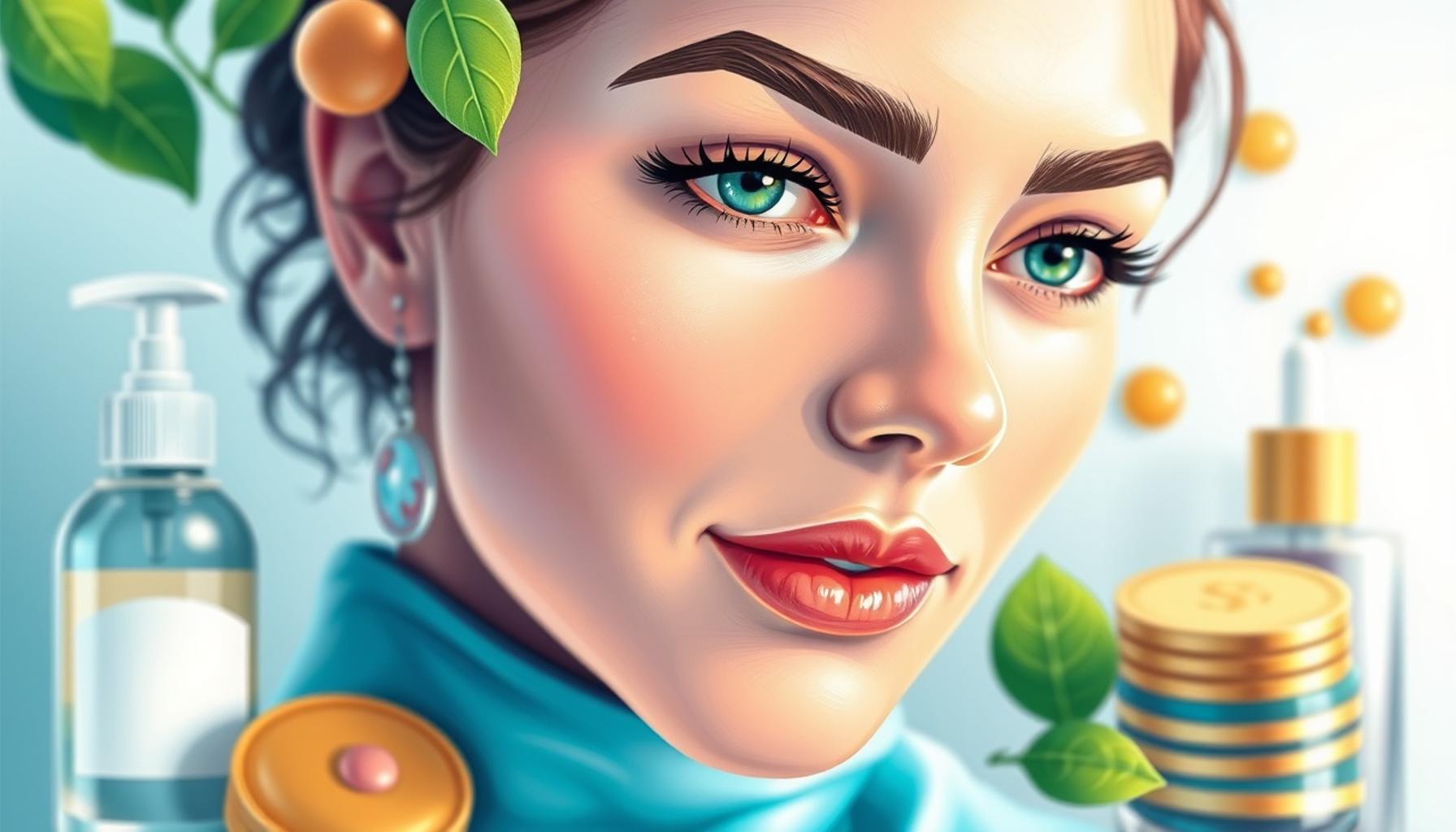
The Relationship Between Stress and Skin Health: How Emotional Well-Being Affects Your Skincare Routine
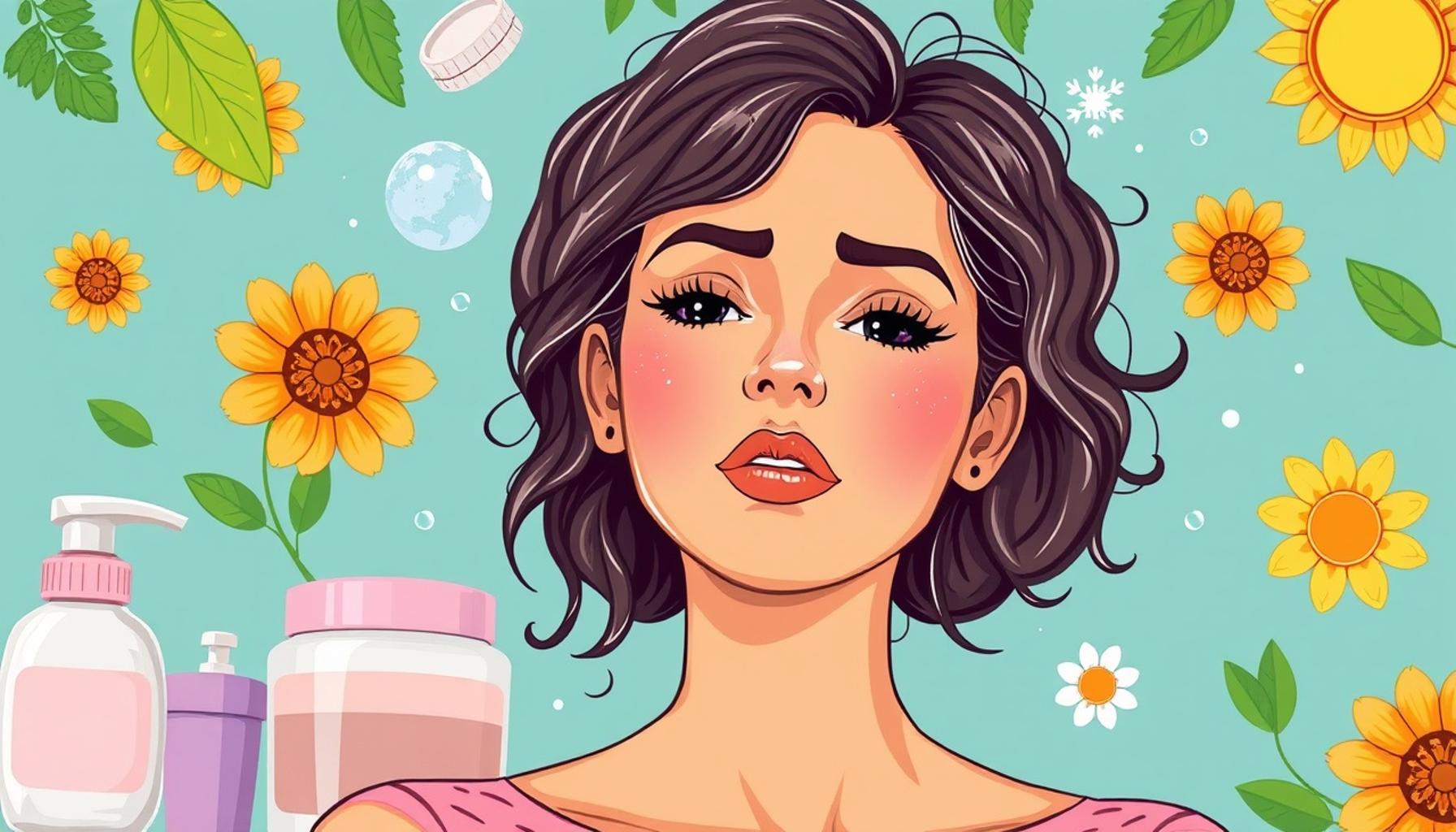
The Connection Between Stress and Skin Health
The skin functions as a complex barrier and a revealing canvas, displaying not just external beauty but also internal health. When individuals undergo stress, their skin becomes a casualty, often reflecting their emotional turmoil through various visible manifestations. Recognizing this crucial connection is essential in navigating both skin health and emotional well-being, particularly in a fast-paced environment like the United States where stress is often a daily companion.
When stress levels elevate, the body undergoes numerous physiological changes that directly impact the skin. One primary mechanism involves:
- Hormonal Fluctuations: The release of stress hormones, particularly cortisol, is one of the body’s immediate responses to stress. Elevated cortisol levels can lead to increased oil production in the skin. This excess oil can clog pores, resulting in breakouts and exacerbating conditions like acne. A study in the Journal of Investigative Dermatology highlighted that individuals facing chronic stress reported a higher incidence of acne lesions, reinforcing the direct relationship between stress and skin outbreaks.
- Inflammation: Chronic stress can ignite inflammatory responses throughout the body, contributing to skin disorders such as eczema, psoriasis, and even hives. For example, flare-ups are common in individuals with eczema during stressful periods, impacting not only their skin but significantly their quality of life.
- Reduced Blood Flow: Stress constricts blood vessels, adversely affecting circulation. This reduction in blood flow means that essential nutrients and oxygen are not being delivered effectively to skin cells. The result is often a dull complexion that lacks the healthy glow associated with well-nourished skin.
In addition to physiological changes, stress also influences personal skincare behaviors. The chaotic nature of daily life can lead to:
- Neglected Routines: Under significant stress, individuals may find themselves abandoning basic skincare routines, such as cleansing and moisturizing. This neglect can worsen pre-existing skin conditions and lead to new issues arising.
- Skincare Product Choices: Emotional states can dictate one’s approach to skincare. Some may gravitate towards calming products containing ingredients like chamomile or lavender, while others facing heightened anxiety may resort to aggressive treatments, resulting in a cycle of irritation and stress for the skin.
- Diet and Lifestyle Changes: Stress often results in unhealthy eating patterns, with individuals sometimes opting for convenience foods high in sugar and fat. Additionally, stress can disrupt sleep patterns, which are crucial for skin regeneration, leading to premature aging and further skin issues.
As the saying goes, “you are what you eat,” but in the realm of skincare, it is just as accurate to state that “you are shaped by your emotions.” The intricate ties between stress and skin health reveal the necessity for a holistic approach to beauty and wellness. By addressing both stress management and skincare routines, individuals can unlock pathways to healthier skin and enhanced emotional resilience, paving the way for a more balanced life.
DISCOVER MORE: Click here to dive deeper
The Impact of Stress on Skin Conditions
Understanding the impact of stress on skin conditions is essential for anyone looking to enhance their skincare routine. Stress doesn’t just appear in your thoughts; it manifests physically, often making it evident through various skin issues. From acne and eczema to premature aging, the skin bears the brunt of emotional upheaval. A survey by the American Psychological Association found that 77% of people regularly experience physical symptoms caused by stress, a statistic that emphasizes the need for a greater awareness of how emotional state can dictate skin health.
One of the most critical aspects of this relationship is how stress can worsen existing skin conditions. This phenomenon is particularly evident in chronic disorders. For instance:
- Acne: Studies indicate that stress can lead to acne exacerbation, especially among individuals who already struggle with this condition. The hormonal changes triggered by stress lead to increased oil production, which can cause pores to clog and result in breakouts. According to the American Academy of Dermatology, individuals experiencing stress report up to a 30% increase in acne lesions.
- Eczema: The National Eczema Association highlights that stress is a well-known trigger for flare-ups in people suffering from eczema. Both adults and children can experience heightened itchiness and irritation when incident stressors occur, complicating their treatment plans and overall quality of life.
- Psoriasis: Chronic stress can also trigger flare-ups of psoriasis, a condition characterized by red, scaly patches on the skin. The Skin Foundation reports that many patients with psoriasis cite stress as a primary factor in their flare-up cycles.
Furthermore, stress not only aggravates these issues but can also lead to new conditions developing. For example, some individuals may experience a sudden onset of conditions like rosacea, which is marked by redness and visible blood vessels on the face. The connection between emotional well-being and skin health is indeed profound, highlighting the need for stress management strategies as essential components of effective skincare.
Adopting a holistic approach means acknowledging that emotional well-being and skin health are intertwined. Individuals often find that integrating stress-reducing techniques such as mindfulness, yoga, and proper sleep routines can lead to improved skin health and *overall wellness*. Not only does this strategy encourage a more balanced life, but it empowers individuals to regain control over both their emotional and physical well-being.
In the rapidly-paced lifestyle of the United States, where stress is a prevalent concern, fostering emotional resilience can become a stepping stone towards achieving clear and vibrant skin. By prioritizing mental health alongside skincare practices, people may discover that combating stress is not just about addressing anxiety but is equally about celebrating their skin’s health and vitality.
The Profound Impact of Stress on Skin Conditions
Stress is not just an emotional experience—it has tangible effects on your physical health, especially your skin. When the body is under stress, it releases a surge of cortisol, the stress hormone. Elevated cortisol levels can lead to a range of skin issues, including acne, eczema, psoriasis, and rosacea. The *disruption of the skin barrier* caused by stress can heighten sensitivity and vulnerability to irritants. A study published in the Journal of Investigative Dermatology found a direct correlation between heightened emotional distress and the severity of these conditions. Another significant aspect is how stress can trigger behaviors that negatively impact skin health. Individuals under stress may turn to unhealthy coping mechanisms, such as poor diet, excessive alcohol consumption, or neglecting their skincare routine. This behavior can exacerbate existing skin issues or lead to new ones. For example, improper hydration levels caused by stress-induced lifestyle changes can result in dry, flaky skin.Additionally, stress can hinder wound healing and complicate existing skin conditions. When the body is in a state of stress, the immune response is weakened, making it difficult for skin irritations or injuries to heal effectively. Research indicates that a robust emotional state can enhance skin recovery, while chronic stress can prolong healing times.Understanding the interconnectedness between emotional well-being and skincare underscores the importance of developing stress-reduction techniques, such as mindfulness and relaxation exercises. Implementing a holistic approach to skincare, incorporating both emotional and physical well-being, can lead to healthier, more radiant skin.
Exploring Effective Stress-Relief Strategies for Better Skin Health
Incorporating practices such as yoga, meditation, and even regular exercise can significantly reduce stress and nurture skin vitality. Viewed as more than just a skincare routine, these adaptations can create a positive feedback loop that enhances both mental health and skin appearance. As you dive into managing your skincare, consider the *power of emotional health* as you tailor your routine to suit not just your skin’s physical needs but also your emotional wellness. The importance of this balance is undeniable; improving emotional well-being may not only lead to clearer skin but also foster self-esteem and overall happiness. Now, let’s delve deeper into the benefits of combining skincare with emotional health practices through an informative table below:
| Category | Advantages |
|---|---|
| Stress Management Techniques | Encourages relaxation, reducing damage to skin through lowered cortisol levels. |
| Mindfulness Practices | Enhances overall emotional health, promoting better skin repair and reduced inflammation. |
DISCOVER MORE: Click here for seasonal hair care tips
The Role of Stress Management in Skincare
While the impact of stress on skin conditions is profound, understanding how to effectively manage this stress can significantly improve the health and appearance of your skin. This is where stress management techniques become a vital aspect of any comprehensive skincare routine. By proactively addressing emotional well-being, individuals may cultivate an environment that not only fortifies their mental health but also enhances the vitality of their skin.
The science of stress relief is multifaceted, and various strategies can offer tangible benefits. For instance, regular physical activity, commonly touted for its overall health benefits, can also be remarkably effective in combating stress. Exercise releases endorphins, the body’s natural mood elevators, while simultaneously increasing blood flow, which nourishes skin cells and promotes a more radiant complexion. A study conducted by researchers at the University of Maryland School of Medicine found that regular physical activity can lead to diminished levels of stress hormones, which directly correlates with lower instances of stress-induced skin conditions.
Moreover, techniques such as mindfulness meditation and deep breathing exercises can also play a crucial role in skin health. Mindfulness training has gained traction in the U.S. as a promising approach to reduce stress levels effectively. According to the American Psychological Association, meditation can lower stress and anxiety significantly, and those benefits extend to the skin. This practice helps reduce inflammation, a common factor that exacerbates many skin issues, including acne and eczema.
Another important method includes prioritizing quality sleep, which is often overlooked in the skincare equation. The National Sleep Foundation indicates that lacking adequate sleep can heighten stress and lead to a dull, tired-looking complexion. During sleep, the body goes into repair mode, and this includes skin regeneration. A study published in the British Journal of Dermatology has shown that sleep-deprived individuals experience higher levels of stress and lower overall skin health, leading to increased signs of aging.
In addition, nutrition plays a pivotal role in managing stress and by extension promoting healthier skin. Diets rich in antioxidants, vitamins, and minerals can help combat the cellular damage caused by stress. Foods high in omega-3 fatty acids, such as salmon, flaxseeds, and walnuts, can be beneficial in reducing inflammation and improving skin elasticity. The integration of these nutrient-rich foods into a daily diet, along with staying hydrated, supports both emotional well-being and enhances skin health.
Lastly, integrating relaxing skincare rituals can serve as both an act of self-care and a form of stress relief. For example, turning a simple skincare routine into a luxurious ritual comprising facial massages, aromatherapy, and calming music can have a soothing effect, allowing individuals to unwind and focus on their well-being holistically. Taking this time out for oneself creates a mindful space that promotes emotional balance, which can lead to significant improvements in skin conditions.
Understanding the intricate connection between stress management and skincare encourages individuals to adopt a more holistic approach. As knowledge about the relationship between stress and skin health continues to evolve, it becomes clear that taking charge of one’s emotional health can indeed pave the way for achieving clearer, healthier skin. With commitment to these practices, individuals can find a way to balance stress with their skincare routines, enhancing both mental and dermatological health.
DISCOVER MORE: Click here to learn about the innovations revolutionizing hair treatments
Conclusion: Embracing a Holistic Approach to Skin Health
In summary, the relationship between stress and skin health is undeniable. Emerging research highlights that emotional well-being plays a crucial role in our skincare routines. As we’ve explored, stress not only impacts the mind but visibly manifests on the skin, exacerbating conditions such as acne, eczema, and premature aging. By incorporating stress management strategies into daily life, individuals can significantly influence both their mental and dermatological health.
Adopting practices such as regular physical exercise, mindfulness meditation, quality sleep, and a nutritious diet can create a synergistic effect, promoting an overall sense of wellness that directly benefits the skin. Moreover, recognizing skincare routines as opportunities for self-care can transform mundane rituals into moments of tranquility and reflection. This mindfulness practice not only reduces stress but also enhances the efficacy of topical skincare products.
As we continue to investigate the connection between stress management and skin vitality, it becomes apparent that embracing a holistic approach can yield remarkable improvements. Creating a balance that prioritizes both emotional and physical well-being is essential for achieving a glowing complexion. For those seeking to enhance their skincare outcomes, investing in emotional health is not merely beneficial; it is imperative. So, as you embark on your skincare journey, consider integrating stress-reducing techniques and savor the beautiful transformation that can unfold in both your mind and skin.