
The Evolution of Anti-Aging Products: New Technologies and Innovative Ingredients
Exploring the Landscape of Anti-Aging Innovation
In a society where youthfulness is often equated with beauty, the demand for effective anti-aging products is at an all-time high. Consumers are not just seeking temporary fixes; they are looking for solutions that deliver real, lasting results. To meet this expectation, brands are turning to pioneering technologies and unique ingredients that push the boundaries of traditional skincare.
Advanced Skincare Technologies
The realm of skincare is being transformed by advanced technologies like nanotechnology, which improves the penetration of active ingredients into the skin. By reducing the size of particles, nanotechnology allows for deeper absorption, resulting in enhanced efficacy. For instance, products featuring encapsulated retinol can deliver this powerful anti-aging compound directly to the dermal layer, minimizing irritation that often comes with traditional retinol use.
Another fascinating innovation lies in the field of biorevolutionary technologies. These include biomimetic peptides that mimic the skin’s biological processes, promoting collagen production and cellular repair. Brands such as SkinCeuticals are employing these cutting-edge methods to help users achieve smoother and firmer skin, emphasizing the importance of scientific backing in skincare formulations.
Innovative Ingredients
The fusion of the natural and the scientific has birthed a new generation of skincare ingredients. Natural extracts such as green tea and hyaluronic acid are increasingly being combined with potent synthetics to create products that not only hydrate the skin but also fight the signs of aging. For example, the use of marine botanicals, rich in antioxidants, is gaining traction. These extracts not only protect the skin from environmental stressors but also help in wound healing and cellular turnover, making them indispensable in anti-aging formulations.
Aside from these ingredients, incorporating peptides—small chains of amino acids—has been proven to stimulate collagen production. The rise of brands like The Ordinary has made it possible for consumers to access effective peptide-based products at an affordable price, thereby democratizing quality skincare.
Personalization and Consumer Expectations
Today’s consumers desire more than generic products; they crave personalization. The integration of AI in skincare is allowing for tailored solutions that consider individual skin types, concerns, and even genetic predispositions. Companies like Proven Skincare utilize customer data and genetic testing to create customized skincare regimens. This shift not only meets specific needs but also engages consumers in a way that fosters loyalty and satisfaction.
As you consider the trends mentioned above, think about the implications of these advancements. Which ingredients resonate with you? How do you feel about the role of technology in shaping your skincare routine? And which brands do you think are at the forefront of this evolution? Diving deeper into these topics can unveil not just new possibilities for your skincare routine, but also enhance your understanding of what it means to age gracefully in a youth-centric society.
Join us as we navigate this intriguing landscape and discover how novel technologies and innovative ingredients are rewriting the narrative of skincare, enabling all of us to embrace our unique paths to maintaining a youthful complexion.
DISCOVER MORE: Click here to learn about the effects of chemical hair treatments
Revolutionary Breakthroughs in Anti-Aging Solutions
The landscape of anti-aging products is undergoing a dramatic transformation, driven by innovative technologies and breakthrough ingredients that promise to redefine skincare. With consumers increasingly conscious of their skin’s health and appearance, brands are racing to deliver solutions that not only address visible signs of aging but also promote long-term skin vitality. This renewed focus encompasses everything from advanced delivery systems to unique natural extracts, ultimately leading to more efficient and effective formulations.
Enhancing Formulation through Delivery Systems
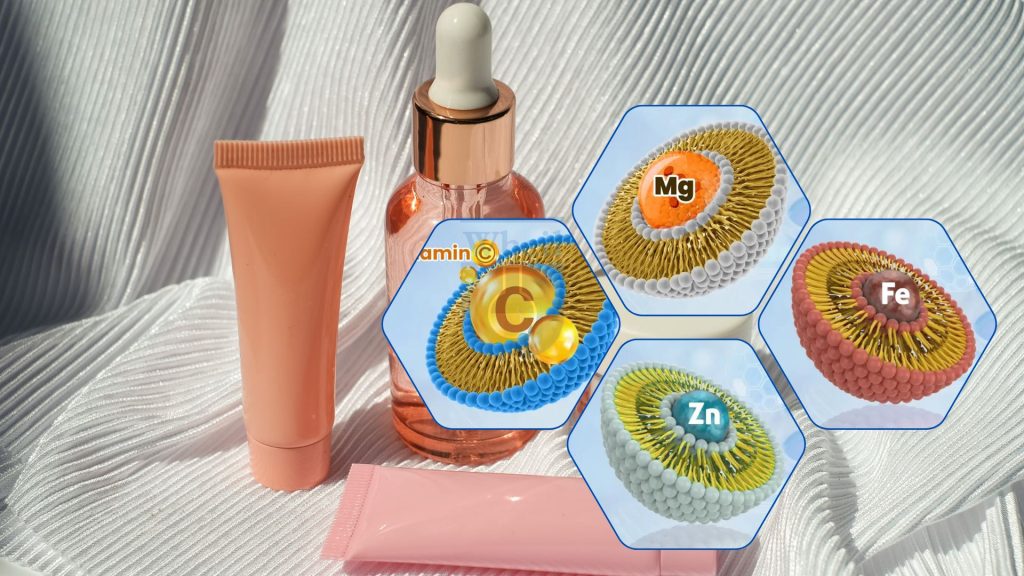
A cornerstone of this evolution lies in the development of sophisticated delivery systems. These systems enhance the bioavailability of active ingredients, ensuring that they retain their potency while effectively reaching deeper layers of the skin. For instance, recent advancements in liposome technology allow for the encapsulation of vitamins and antioxidants in tiny lipid-based spheres. This ensures that the beneficial compounds are not only protected from degradation but also released gradually, maximizing their impact over time. Products incorporating liposomes are proving to be game-changers, as they promote longer-lasting hydration and nourishment.
Moreover, brands are incorporating micro-emulsions in their formulations. This technology improves the dispersion of active compounds, leading to a smoother application and greater absorption. For example, serums and creams that utilize micro-emulsions can deliver high doses of antioxidants like vitamins C and E, deeply affecting skin elasticity and firmness.
The Rise of Botanicals and Organic Ingredients
The quest for youthful skin has also led to a notable trend: the resurgence of botanical and organic ingredients. Modern skincare enthusiasts are gravitating towards plant-based extracts that boast powerful anti-aging properties without the harsh side effects of traditional chemicals. Some of the most exciting plant-based ingredients gaining attention include:
- Bakuchiol: Often dubbed as a natural alternative to retinol, bakuchiol helps stimulate collagen production and improve skin elasticity without the irritation.
- Algal Extracts: Rich in vitamins and antioxidants, these marine ingredients help protect the skin from oxidative stress while promoting hydration.
- Resveratrol: A potent antioxidant found in grape skins, resveratrol has been linked to improved skin firmness and radiance.
These natural compounds not only support the skin’s rejuvenation process but also align with shifting consumer preferences toward sustainability and eco-consciousness.
Scientific Approaches to Skin Aging
Equally important is the role of scientific research in crafting effective anti-aging solutions. Brands are investing heavily in clinical trials and studies to substantiate the claims of their products and to innovate formulations based on the latest dermatological findings. For example, studies on growth factors have shown promise in aiding cellular turnover and promoting skin renewal, giving rise to formulations that mimic the skin’s natural healing processes.
This trend of combining nature with science not only elevates the effectiveness of anti-aging products but also instills confidence among users, as they can rest assured that these formulations are backed by empirical evidence. As we continue to investigate the intricate connection between technological advancements and ingredient innovation, the future of anti-aging skincare looks incredibly promising.
The Evolution of Anti-Aging Products: New Technologies and Innovative Ingredients
The landscape of anti-aging products has undergone significant transformation over the last decade, primarily driven by advanced research and the integration of cutting-edge technologies. As consumers become more informed and demanding about the efficacy of their skincare choices, companies are continually innovating to meet these needs. From biotechnology to sustainable sourcing of ingredients, the evolution reflects a deeper understanding of skin aging and how to combat it effectively.
One of the key advancements in the field is the use of peptides, which are short chains of amino acids that can penetrate the skin and stimulate collagen production. Peptides act as messengers, signaling the skin to repair itself and enhancing its firmness. This has led to the creation of serums and creams that claim to offer anti-aging effects comparable to invasive procedures, without the associated risks.
Another groundbreaking technological innovation is the incorporation of nanotechnology in anti-aging formulations. This technology allows for smaller particles to be used in skincare products, enabling better absorption and efficacy. By delivering active ingredients more effectively, consumers can experience improved results, maximizing the benefits of each application. Moreover, the recent trend towards the use of probiotics in skincare further exemplifies the shift towards holistic approaches to anti-aging. Probiotics help balance the skin’s microbiome, enhancing overall skin health, which in turn can lead to a more youthful appearance.
With an increasing number of products on the market, consumers are also becoming more aware of the importance of natural and sustainable ingredients. Innovations in sourcing and production mean that brands are now able to offer effective anti-aging solutions without the use of harmful chemicals, aligning with a growing consumer preference for green beauty. This shift not only promotes consumer health but also addresses environmental concerns, stressing the importance of corporate responsibility in the beauty industry.
| Category | Key Features |
|---|---|
| Peptides | Stimulate collagen production and enhance skin firmness. |
| Nanotechnology | Enables better absorption of active ingredients for improved efficacy. |
The combination of these innovative ingredients and technologies marks a significant leap forward in the fight against aging. As the category evolves, consumers will continue to demand transparency and results, pushing brands to innovate further in this exciting realm of skincare.
DON’T MISS OUT: Click here for some amazing DIY hair treatments
Embracing Biotechnology in Anti-Aging Skincare
In the ever-evolving world of anti-aging products, biotechnology stands out as a revolutionary force, opening new avenues for formulating skincare solutions. This approach involves using biological systems and organisms to develop sustainable and effective ingredients that tackle the aging process more efficiently. From fermentations to cellular culture, biotechnology is enhancing the performance of traditional components while introducing completely new players on the skincare stage.
The Power of Stem Cells
Among the groundbreaking innovations in this field is the use of plant stem cells in skincare formulations. These cells are derived from specific plants that demonstrate remarkable regenerative abilities. The essence of these plant stem cells is their potential to rejuvenate and revitalize the skin by boosting its inherent repair processes. Products boasting stem cell technology claim significant improvements in skin texture, reduced fine lines, and an overall more youthful appearance.
Notable examples include the use of stem cells from rare apple varieties, which possess an ability to extend the longevity of skin cells. This technology not only highlights how science can mimic nature but also signifies an exciting transition towards harnessing powerful biological functions for greater skincare benefits.
Peptides: The Building Blocks of Youthful Skin
Another fascinating innovation in anti-aging is the incorporation of peptides. These short chains of amino acids, vital for cellular communication, are crucial in signaling the skin to produce more collagen and elastin. As a result, formulations featuring peptides promise to enhance skin firmness and elasticity effectively. With advanced research backing their efficacy, peptides have emerged as staple ingredients in many high-performance serums and creams.
Specific peptide complexes, such as those mimicking the properties of snake venom, are designed to reduce muscle contractions in a similar manner to Botox, tackling expression lines without invasive procedures. This dual function of rejuvenation and relaxation is a testament to how biotechnology is reshaping the anti-aging landscape.
Innovations in Anti-Aging Delivery Methods
In addition to ingredient innovations, new delivery methods are enhancing how these advanced formulations interact with the skin. Techniques such as microneedling and transdermal patches allow deeper penetration of active ingredients. Microneedling creates microscopic channels in the skin, permitting serums rich in growth factors to enter more effectively, while transdermal patches bestow a continuous release of ingredients for prolonged action.
This synergy between cutting-edge delivery technologies and innovative ingredients signifies a major leap toward personalized skincare solutions. Brands are beginning to offer customized products based on individual skin needs and conditions—making tailored anti-aging skincare a reality.
The Role of Artificial Intelligence
Yet another layer to this evolving narrative is the integration of artificial intelligence (AI) in formulating and marketing anti-aging products. AI tools allow brands to analyze vast amounts of consumer data to tailor formulations that meet the specific requirements of diverse demographics. The result is a shift towards predictive skincare, where products are created in tandem with predictive analytics to maximize their effectiveness based on individual aging patterns.
From leveraging the complexity of biological systems to incorporating groundbreaking technologies, the evolution of anti-aging products is continuously reshaping how we perceive and approach aging skin. Each innovation is a step towards not just maintaining youthful vitality but redefining the standards of effective skincare in the modern world.
DON’T MISS OUT: Click here to discover the truth about hydration in hair care
Conclusion
The landscape of anti-aging products is transforming at an unprecedented pace, driven by cutting-edge technologies and innovative ingredients. As we have seen, the integration of biotechnology introduces a wealth of possibilities from plant stem cells to peptide-rich formulations that aim to rejuvenate and restore skin vitality. Each breakthrough not only enhances efficacy but also fosters a deeper connection between nature and science. Furthermore, advancements in delivery methods like microneedling and transdermal patches ensure that these powerful ingredients penetrate the skin more effectively, enabling consumers to achieve real, observable results.
Moreover, the use of artificial intelligence is propelling this evolution, allowing for a more personalized approach to skincare. With AI-driven analytics, brands can curate products that precisely meet diverse individual needs, paving the way for a future where anti-aging solutions are customized and effective. This move towards predictive skincare reflects a larger trend in health and beauty that values the unique characteristics of each user.
As we continue to embrace these innovations, it is essential to stay informed and discerning about the products we choose. The interplay of technology and nature promises not just to prolong youthful appearance but also to redefine our understanding of aging itself. The evolution of anti-aging products is a captivating journey, one that invites consumers to explore new realms of beauty and wellness while challenging the conventional narratives of aging. In this rapidly changing environment, the quest for age-defying solutions will undoubtedly continue to inspire researchers, formulators, and consumers alike.