
Advanced Therapies for Damaged Hair: What Really Works?
Understanding the Impact of Hair Damage
In our daily lives, various external factors contribute to the deterioration of hair health. Pollution, with its microscopic particles, can cling to hair strands and cause buildup, dullness, and even scalp issues. Moreover, frequent exposure to heat styling tools like blow dryers and flat irons can strip hair of its natural moisture, leading to brittleness and split ends. Chemical treatments such as coloring, relaxing, or perming further exacerbate these problems by altering the hair’s structural integrity.
Consequently, a comprehensive approach to hair care is essential, especially for those experiencing significant damage. The rise of advanced therapies has brought forth an array of options designed to rejuvenate hair, making it crucial to differentiate between genuine solutions and mere cosmetic fixes. Below, we explore some of the most sought-after therapies in detail.
Keratin Treatments
Among the most popular solutions for frizzy and unruly hair are keratin treatments. These procedures involve the application of a keratin-based formula that coats the hair, smoothing the cuticle layer and taming frizz while adding shine. After being sealed with heat, the results can last for several months, making them a favorite among busy individuals looking for low-maintenance options. However, it’s important to consider any formaldehyde content in the keratin formulas, as some variations can emit harmful fumes during the application process.
Olaplex
Olaplex represents a breakthrough in hair care, utilizing a multi-step process that works on a molecular level to repair damaged bonds in the hair. This treatment is particularly popular among those who frequently color their hair, as it helps combat the damage caused by bleaching and dyeing. Users of Olaplex often report a significant increase in hair strength, manageability, and overall health.
Scalp Treatments
Healthy hair starts from the scalp, making scalp treatments an essential part of hair care. These therapies aim to improve scalp health by targeting issues such as dandruff, excess oil, and inflammation. An invigorating scalp massage combined with specialized serums can help invigorate hair follicles, promoting healthier hair growth. Regular treatments may be beneficial not only for rejuvenation but also for preventing hair loss over time.
PRP Therapy
Platelet-Rich Plasma (PRP) therapy is an innovative technique gaining traction among individuals seeking to combat hair thinning or loss. By using the body’s own platelets, this procedure involves extracting a small amount of blood, processing it to concentrate the platelets, and then injecting it into the scalp to stimulate hair follicles. Clinical studies have shown promising results, indicating thicker hair growth for many who undergo this treatment.
Hair Masks
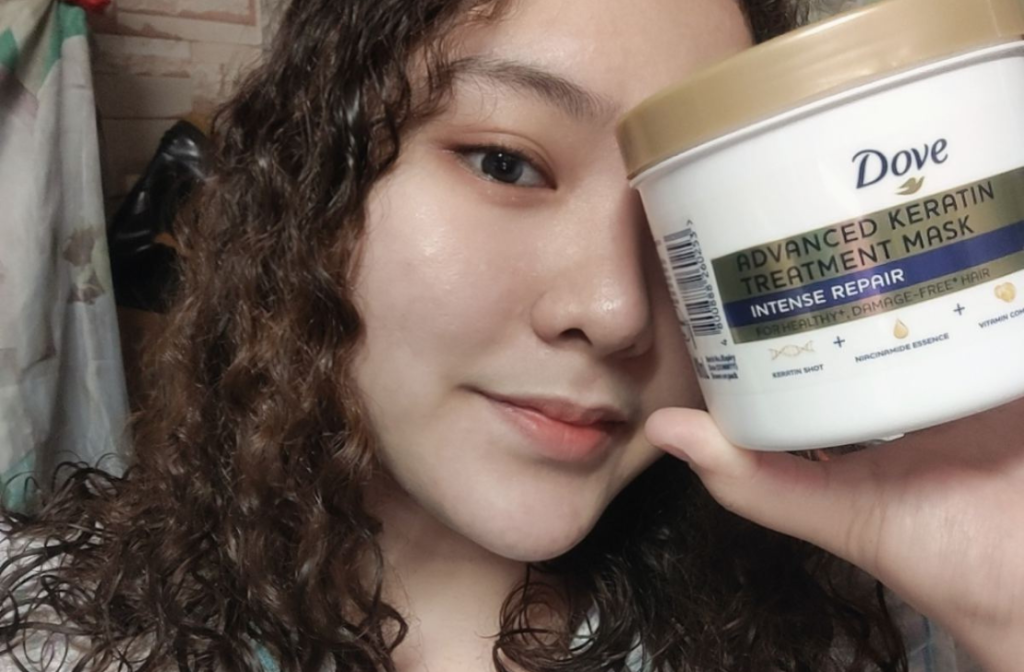
Hair masks serve as intensive conditioning treatments that provide deep hydration and nourishment. These products are often enriched with natural ingredients such as oils, vitamins, and proteins, allowing them to penetrate the hair shaft effectively. Regular use of hair masks can help restore moisture balance, enhance elasticity, and improve overall shine. For optimal results, using a hair mask weekly can significantly benefit those struggling with dryness and damage.
As the market for hair treatments continues to expand, it is essential to discern which therapies truly offer lasting results based on scientific evidence rather than marketing hype. Consulting with professionals and considering individual hair types and conditions can lead to a more tailored approach to repairing damaged hair. Your quest for healthier, more vibrant hair may yield rewarding results if you take the time to explore these advanced therapies.
DISCOVER MORE: Click here to learn about the latest trends
Decoding the Advanced Therapies
The burgeoning beauty industry has led to an influx of advanced therapies for those struggling with damaged hair. With a myriad of options available, it is vital to discern which therapies deliver real results and effectively combat hair damage. Below, we delve into the intricacies of some of the most talked-about treatments and their underlying mechanisms of action.
Chemical Bond Reformation Techniques
Modern technology has yielded innovative methods for restoring damaged hair. One effective approach is the process of chemical bond reformulation. Treatments like Olaplex are designed to reconnect the disulfide bonds in the hair structure that are often broken during chemical processes like bleaching. By targeting these weakened areas, users often report not just revived texture, but also increased durability against future styling challenges.
Laser Therapy
Another exciting development in the realm of hair restoration is laser therapy. This non-invasive procedure utilizes low-level lasers to stimulate hair follicles and promote circulation in the scalp. Research has shown that this technique may not only help revitalize thinning hair but also enhance the effectiveness of topical treatments. Patients generally find this therapy appealing as it requires minimal downtime and can be comfortably integrated into most hair care routines.
Natural Ingredient-Based Treatments
There has been a resurgence in the popularity of natural ingredient-based therapies. Products infused with botanical extracts, essential oils, and proteins have gained traction among consumers seeking holistic solutions for hair damage. Here’s a list of natural ingredients often highlighted for their beneficial properties:
- Argan Oil: Known for its rich fatty acid content, it provides intense moisture and shine.
- Coconut Oil: A powerhouse for penetration, it helps reduce protein loss and minimizes frizz.
- Aloe Vera: Renowned for its soothing and conditioning properties, it promotes a healthy scalp.
- Honey: With its natural humectant qualities, it helps retain moisture and improve elasticity.
Integrating these natural elements into regular hair care can produce remarkable improvements in texture and resilience, encouraging a healthy hair lifecycle.
Combination Therapies
The most effective treatments often combine several techniques for maximal impact. Salons are increasingly offering packages that may include a combination of keratin treatments, Olaplex sessions, and scalp therapies. This multipronged approach not only targets the visible signs of damage but also addresses underlying issues that contribute to hair health. Consulting with a professional stylist can help individuals determine the best combination tailored to their specific hair needs.
With the variety of advanced therapies available, understanding their mechanisms, benefits, and potential drawbacks is key to making informed decisions regarding hair care. By exploring these advanced solutions, individuals can embark on a journey toward healthier hair and more tangible results.
| Therapy Type | Benefits |
|---|---|
| Keratin Treatments | Smoothens hair and reduces frizz; ideal for those seeking sleek, straight locks. |
| Scalp Therapy | Improves scalp health and hair growth; often includes deep cleansing and hydration. |
| Hair Masks | Deeply nourishes and repairs damaged strands; rich in essential oils and nutrients. |
| Hair Coloring Treatments | Enhances vibrancy and covers grays; many new formulas focus on maintaining hair health. |
In the realm of advanced therapies for damaged hair, understanding the options available can significantly influence treatment outcomes. For instance, keratin treatments have surged in popularity due to their ability to smoothen hair textures while minimizing frizz, making them ideal for individuals desiring a polished look. Another promising method involves scalp therapies, which address scalp health directly, leading to improved hair growth through hydration and deep cleansing techniques.Moreover, hair masks have evolved into essential at-home treatment solutions. These masks contain various nutrients that work to deeply nourish and repair* strands suffering from damage caused by environmental factors or heat styling. Additionally, with the innovations in hair coloring treatments, consumers now have access to products that not only enhance colors but also prioritize hair integrity, allowing individuals to indulge in vibrant hues without the damaging effects associated with traditional dyes. These therapies open up a world of possibilities for anyone looking to rejuvenate their hair.
DISCOVER MORE: Click here for amazing DIY hair treatments
The Emerging Trends in Hair Restoration
As the desire for healthy hair intensifies, innovative therapies continue to evolve, drawing upon both scientific advancements and traditional wisdom. This section explores some of the latest trends in hair restoration that are gaining traction in the beauty community and their potential impacts on damaged hair.
Protein-Infusion Treatments
One of the most recent fads in hair care revolves around protein-infusion treatments. Unlike regular conditioners, these treatments focus on replenishing the keratin that is often lost due to environmental stressors or styling damage. Brands such as Shea Moisture and Redken offer deep-penetrating masks that promise to restore strength by replenishing the lost building blocks of hair. Regular use has been shown to enhance the hair’s overall tensile strength, resulting in less breakage over time.
Scalp Microbiome Treatments
Emerging research has highlighted the significance of the scalp microbiome in maintaining hair health. Treatments aimed at balancing the scalp microbiome have become a hot topic. These products are infused with prebiotics, probiotics, and nourishing oils targeted to restore the scalp’s natural ecosystem. Brands like Briogeo have developed formulations that encourage a healthy scalp environment, which can, in turn, lead to improved hair growth and vitality.
Hair Growth Serums
The demand for effective hair growth serums has surged, particularly those containing natural ingredients such as minoxidil, which has FDA approval for treating hair loss. However, new formulations incorporating natural botanicals like rosemary oil and peppermint oil are stirring interest as potential alternatives. Clinical trials suggest that these oils can improve circulation and stimulate hair growth, making them increasingly popular among consumers looking for less conventional solutions.
Hair Transplant Innovations
For individuals facing severe hair loss, advancements in hair transplant techniques offer a promising solution. The emergence of minimally invasive methods such as Follicular Unit Extraction (FUE) has made hair restoration not only more effective but also less intimidating. This technique allows for the removal of individual hair follicles from a donor site, leading to a more natural appearance and minimal scarring. The American Hair Loss Association reports a growing number of patients seeking these procedures, emphasizing the social acceptance and significance of tech-driven hair restoration solutions.
Customized Hair Care Regimens
Technology is also changing the way people approach hair care, with personalized hair care products gaining popularity. Companies like Function of Beauty and Prose harness algorithms and consumer input to create tailored formulations that precisely address individual hair concerns. By focusing on factors such as hair type, lifestyle, and environmental impacts, these custom-made treatments aim to optimize hair health, providing a proactive approach to damaged hair recovery.
With the continuous evolution of advanced therapies for damaged hair, individuals have more resources than ever to reclaim their hair’s vitality. By blending science, technology, and nature, modern solutions are paving the way for healthier, more resilient locks.
LEARN MORE: Click here for essential tips
Conclusion: Navigating the Landscape of Hair Restoration
As we explore the realm of advanced therapies for damaged hair, it becomes evident that consumers today are armed with a plethora of choices geared towards revitalizing their locks. From protein-infusion treatments that fortify hair structure to innovative scalp microbiome therapies that prioritize scalp health, it is clear that holistic approaches are gaining favor. The resurgence of natural ingredients in hair growth serums alongside advancements in hair transplant techniques further highlights the harmony of nature and technology in today’s beauty landscape.
However, with such a diverse array of options, individuals must take the time to understand their unique hair types and specific needs before committing to a particular treatment. The rise of customized hair care regimens demonstrates that personalized approaches can lead to more effective and satisfying results. As these innovative therapies continue to evolve, they pave the way for healthier and more resilient hair for all.
Ultimately, the journey towards restoring damaged hair is not one-size-fits-all. It encourages exploration and experimentation with various products and therapies, while remaining considerate of personal hair health dynamics. For anyone on this journey, staying informed about the latest research and trends will empower better hair care decisions. Advancements in hair restoration represent a blend of science and art, offering hope and renewed confidence to those seeking to transform their hair into vibrant, crowning glory.