Creating Functional Aesthetics: Furniture Choices for Minimalist Living
Understanding the Impact of Minimalism on Living Spaces
In today’s fast-paced world, the notion of minimalism has transcended mere design; it embodies a lifestyle choice. By creating functional aesthetics within your living space, you can cultivate an environment that promotes both peace and productivity, allowing you to focus on what truly matters in life. Minimalist design goes beyond surface appearances, aiming for an emotional and psychological resonance that translates into day-to-day life.
The core tenet of minimalism is simplicity, where less truly means more. Minimalistically designed spaces emphasize quality over quantity, allowing for a more meaningful interaction with one’s surroundings. As you curate your home, consider these key elements:
- Multi-functional furniture: Innovations in furniture design offer products that serve more than one purpose, such as a sofa bed that can effortlessly transition from a stylish couch to a comfortable guest bed. Similarly, an ottoman with storage keeps your living room tidy by providing a spot for blankets, games, or other small items, eliminating visual clutter.
- Neutral color palettes: Choosing soft, muted tones—like shades of beige, pale gray, or gentle greens—can create an open and airy feeling, making even the smallest spaces feel expansive. These hues promote tranquility, serving as a backdrop that allows you to personalize your space with your preferred accessories.
- Quality materials: Investing in durable materials, such as hardwood, stone, or high-quality fabrics, enhances both form and function. Not only do these materials stand the test of time, but they also add tactile richness to your environments, creating a balance between utility and aesthetic appeal.
When selecting furniture, aim for pieces that blend style with utility. The best choices embody:
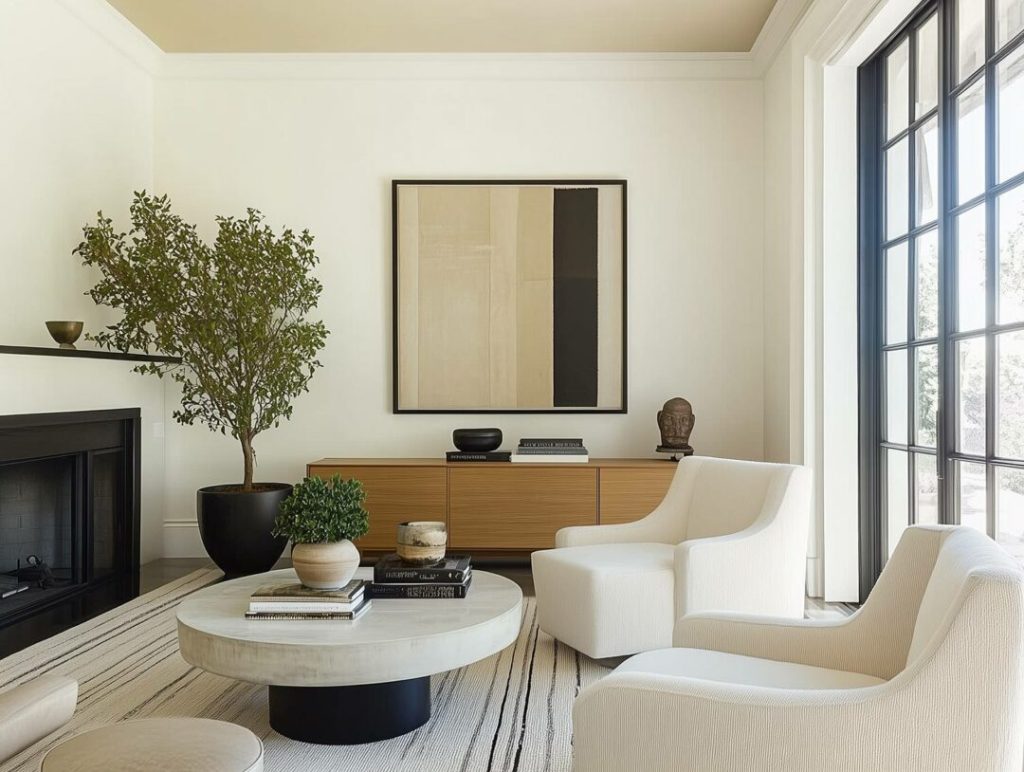
- Simple lines that evoke a sense of calm. This can include sleek dining tables or minimalist shelving that draw the eye without overwhelming a room.
- Natural materials like rattan, plywood, or bamboo are ideal, as they connect your indoor space with the outdoors, reflecting a commitment to sustainability and environmental consciousness that is increasingly valued in American homes.
- Sufficient storage solutions are vital to maintaining a clutter-free zone. Consider installing built-in cabinetry or utilizing under-bed storage to keep items organized and out of sight, contributing to a serene atmosphere.
This minimalist approach not only maximizes space but also invites personal expression through intentional decor. Perhaps a single, striking artwork or a carefully chosen plant can become the focal point of a room rather than forcing multiple items that compete for attention. Additionally, exploring brands that specialize in minimalist designs, such as Muji or IKEA, can offer practical solutions that resonate with your aesthetic values while enhancing functionality.
In essence, the right furniture choices can elevate your minimalist lifestyle, ensuring that functionality isn’t compromised. By embracing minimalism, you’re not just redesigning your home, but also reshaping how you live within it. As you embark on your journey to a minimalist home, consider how it could foster peace, clarity, and an appreciation for the simplicity of everyday life.
Essential Considerations for Furniture Selection
When embarking on the journey to create a minimalist living space, the furniture you choose plays a pivotal role in establishing a visually appealing and functionally adept environment. The selection of the right pieces can greatly influence the overall aesthetic of your home while effectively meeting your everyday needs. To achieve that perfect balance between beauty and practicality, keep the following factors in mind:
- Versatility: Furniture that can serve multiple purposes is a hallmark of minimalist design. Consider options like a coffee table that can transform into a larger dining surface when needed or a modular sofa that can be reconfigured to suit different occasions. This flexibility not only saves space but also caters to varying lifestyle demands.
- Proportions: The scale of your furniture should complement the dimensions of your space. Oversized items in a small apartment can create a sense of claustrophobia, while overly diminutive pieces can leave a room feeling empty. It’s essential to find a harmonious balance; for instance, a sleek, low-profile sofa can provide ample seating without overwhelming the room.
- Enhancing Functionality: A minimalist home thrives on functionality. Look for furniture that incorporates practical solutions without sacrificing style. For example, wall-mounted desks are perfect for small spaces, providing an efficient workspace that can be easily tucked away when not in use.
- Timeless Design: Focusing on timeless pieces can help avoid the need for frequent updates as trends change. Products with classic lines and neutral tones can serve as a versatile backdrop for your style, allowing you to incorporate seasonal decor or new trends with ease.
- Eco-friendly Options: As awareness of sustainability grows, choosing eco-friendly furniture aligns perfectly with minimalist principles. Look for pieces made from responsibly sourced materials or companies committed to sustainable practices. This not only benefits the environment but adds a layer of depth to your home’s story.
As you curate your space, it’s also vital to consider the emotional connectivity of your chosen furniture. Each piece should evoke a sense of comfort or joy, serving not merely as a functional object but as a part of your everyday life. The act of selecting furniture beneath the lens of minimalism calls for intentionality—every item should embody something meaningful to you. This deliberate choice helps foster a nurturing atmosphere, enhancing your living experience.
Moreover, remember that neglecting overcrowding is crucial for a minimalist aesthetic. Aim to gradually introduce pieces that resonate with your tastes, instead of filling spaces prematurely. By allowing each item to breathe and have its moment, you create visual interest while preserving a serene ambiance. The ultimate goal is to establish a home that reflects your personality and values, all while embracing the principles of minimalism.
In summary, the furniture selection process for a minimalist living space is not merely about aesthetics; it’s about creating a thoughtful environment that embodies functionality alongside beauty. As you explore your options, keep in mind that the right choices can elevate your experience, transforming your home into a sanctuary of clarity and calm.
As we delve deeper into the concept of Creating Functional Aesthetics, it becomes essential to recognize the synergy between form and function in furniture selections. In minimalist living, every piece of furniture serves a dual purpose—enhancing aesthetic appeal while offering practical utility. Choosing pieces that harmonize with the overall design ethos not only optimizes space but also curates an environment that promotes tranquility and simplicity.
One of the pivotal trends in minimalist furniture design is the use of sustainable materials. Today, consumers are more conscious of their environmental footprint, leading to a rise in the popularity of furniture crafted from recycled or sustainably sourced materials. This shift not only supports ecological preservation but also encourages a sense of authenticity and character within living spaces. For instance, reclaimed wood not only reduces waste but also adds a distinct history to furniture pieces.
Moreover, the allure of modular furniture cannot be overstated. Pieces that can be rearranged or adapted to different configurations allow homeowners to maximize their space efficiently. For instance, a modular sofa can easily be transformed into a bed for guests, thus serving multiple functions without compromising on style. This flexibility is the hallmark of minimalism—creating a dynamic living space that adapts to your lifestyle.
The aesthetics of minimalist furniture also embrace clean lines, neutral colors, and uncluttered designs that evoke a sense of calm. The choice of colors plays a vital role in maintaining cohesive visual harmony. Light hues can make spaces appear larger and more inviting, while strategic pops of color can be incorporated through accessories or accent pieces to add personality without overwhelming the design.
In summary, the essence of Creating Functional Aesthetics lies in the thoughtful curation of furniture that complements both style and purpose. As we continue to explore the furniture choices that enhance minimalist living, let us consider how these selections can contribute to a more mindful and intentional lifestyle.
| Category | Key Features |
|---|---|
| Sustainable Materials | Furniture crafted from recycled or sustainably sourced materials that enhance character. |
| Modular Furniture | Adaptable pieces that maximize space and serve multiple functions for a dynamic living environment. |
Incorporating Sustainable and Innovative Materials
In an era where sustainability is not merely a trend but a necessity, integrating eco-friendly materials into your furniture selections is essential for achieving both functional aesthetics and environmental responsibility. Opting for pieces constructed from sustainably sourced wood, recycled metals, or natural fibers not only aligns with minimalist values but also contributes to a broader awareness of ecological impacts. For example, furniture made from reclaimed barn wood not only has unique character and history but also reduces the demand for new materials, making an impactful statement in your home.
Furthermore, consider furniture that utilizes innovative materials such as bamboo or cork. Bamboo, known for its rapid growth and renewable nature, provides a stylish yet sturdy option for everything from shelving to seating. Similarly, cork’s natural insulation properties can enhance comfort while also being a biodegradable and renewable resource. Such choices not only sustain minimalism but also inspire a deeper connection to the environment through mindful consumption.
Investing in Quality Over Quantity
Another core principle of minimalist living is the emphasis on quality over quantity. Instead of filling your space with numerous inexpensive items that may lack durability or style, consider investing in fewer high-quality pieces that stand the test of time. High-quality furniture often boasts superior craftsmanship and design, which resonates with timeless aesthetics aligning with minimalist philosophy.
When selecting key pieces, focus on renowned brands that prioritize craftsmanship, such as Knoll or Herman Miller, which provide classic designs that blend functionality with artistic flair. Investing in luxurious materials like leather or premium upholstery can elevate the feel of your space, turning everyday items into cherished focal points. This approach not only reduces clutter but also promotes a more sustainable lifestyle as these investments can serve you for years or even generations.
Thoughtful Color Palettes and Textures
The right color palette and texture play an integral role in minimalist design, enhancing visual appeal without overwhelming the space. Concentrate on a palette that consists of neutral colors—soft whites, beiges, grays, and muted tones—can foster cohesion and tranquility, making rooms feel larger and more open. However, consider incorporating subtle pops of color through accessories such as throw pillows, art, or decorative plants to maintain a dynamic yet harmonious feel.
Textures are equally important. Mix and match elements like sleek metals, warm woods, and soft fabrics to create a sense of depth within a minimalist framework. For instance, juxtaposing a smooth leather sofa with a cozy wool throw adds warmth while maintaining the overall clean lines that define minimalism. This approach not only keeps your interiors interesting but ensures that each piece contributes to the tactile experience of the living space.
The Role of Lighting in Minimalist Aesthetics
One often overlooked aspect of furniture choice is the role of lighting; it can transform a simplistic aesthetic into something extraordinarily inviting. Opt for furniture that incorporates built-in lighting elements, such as illuminated tables or bookshelves, which provide functionality while enhancing the ambiance. Likewise, choosing minimalist lighting fixtures that align with your furniture style—such as pendant lights or sculptural floor lamps—can directly enhance the atmosphere, casting soft shadows that highlight the clean lines of your space.
By strategically selecting furniture that embraces sustainability, quality, color, and light, you pave the way for a harmonious minimalist living space. Each choice you make reverberates throughout your home, crafting not just a stylish environment but a mindful sanctuary reflecting your values and enhancing your everyday life.
Conclusion
In summation, the journey towards creating functional aesthetics in minimalist living is an empowering exploration of balance and intention. By embracing essential principles such as sustainability, quality craftsmanship, a cohesive color palette, and strategic lighting, you not only curate a visually appealing space but also foster a lifestyle that reflects mindful choices and environmental stewardship. Prioritizing eco-friendly materials ensures that your furniture selections resonate with a growing movement towards responsible living, while investing in quality over quantity leads to a lasting impact that transcends trends.
Additionally, the integration of thoughtful textures and colors can transform stark spaces into warm and inviting sanctuaries. As you infuse your home with personal touches that complement a minimalist ethos, remember that each piece serves a dual purpose—offering both beauty and functionality. The allure of minimalism lies not just in its simplicity but also in its potential to create spaces that foster clarity, tranquility, and connection.
As you embark on this design journey, consider the messages your selections convey, and how they align with your aspirations for a sustainable and harmonious lifestyle. The choices made today shape your environment and influence future generations. Explore further into innovative furniture options and embrace the art of minimalism, and you may find that your home becomes a true reflection of your values and inspirations.

Linda Carter is a writer and organization expert specializing in minimalism and personal organization. With extensive experience helping individuals create clutter-free, functional spaces and adopt mindful habits, Linda shares her knowledge on our platform. Her goal is to empower readers with practical advice and strategies to simplify their lives, stay organized, and achieve a sense of calm and balance in their daily routines.