Designing for Simplicity: The Role of Color and Light in Creating Inviting Minimalist Spaces
Creating Harmony with Color and Light
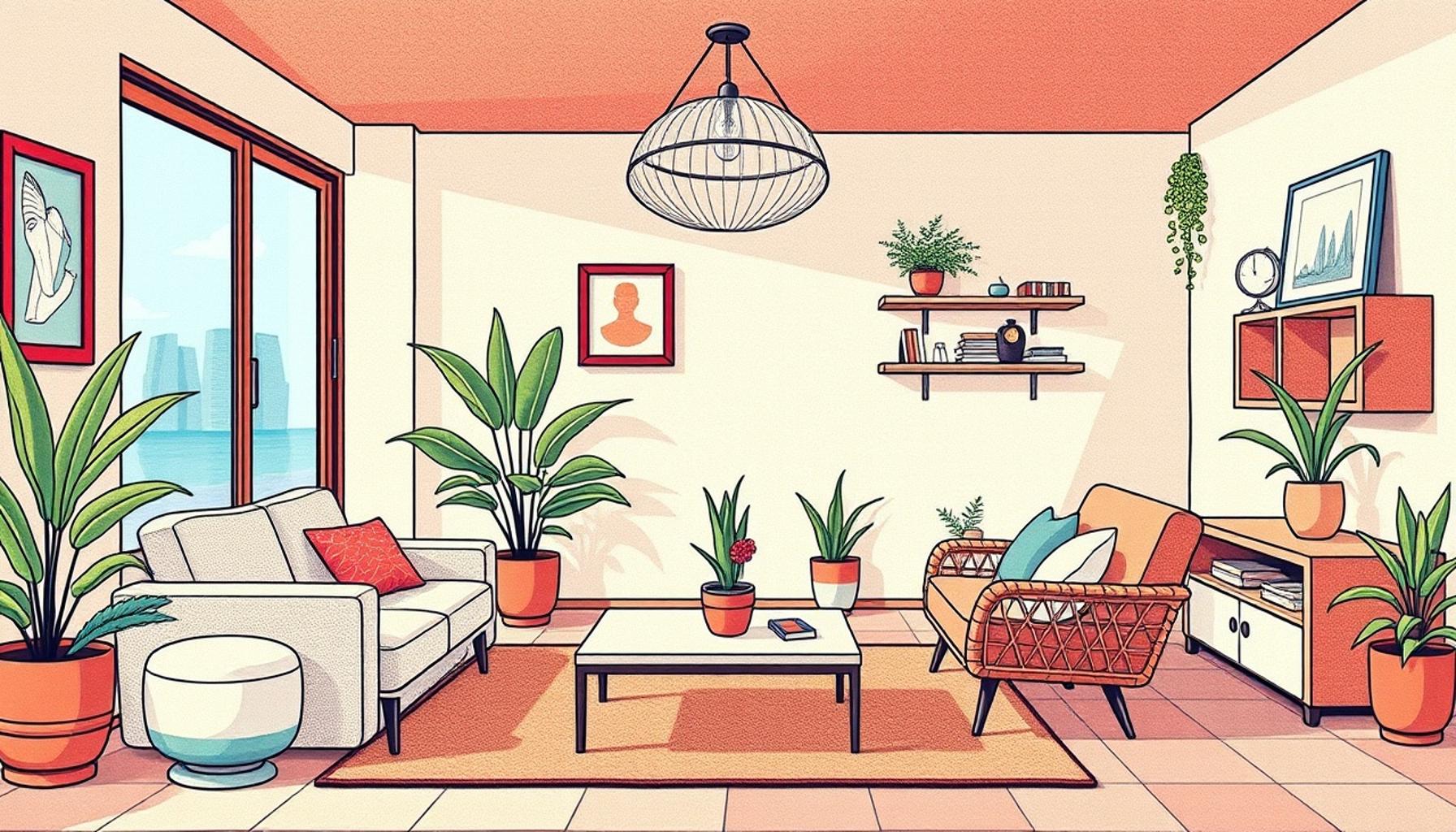
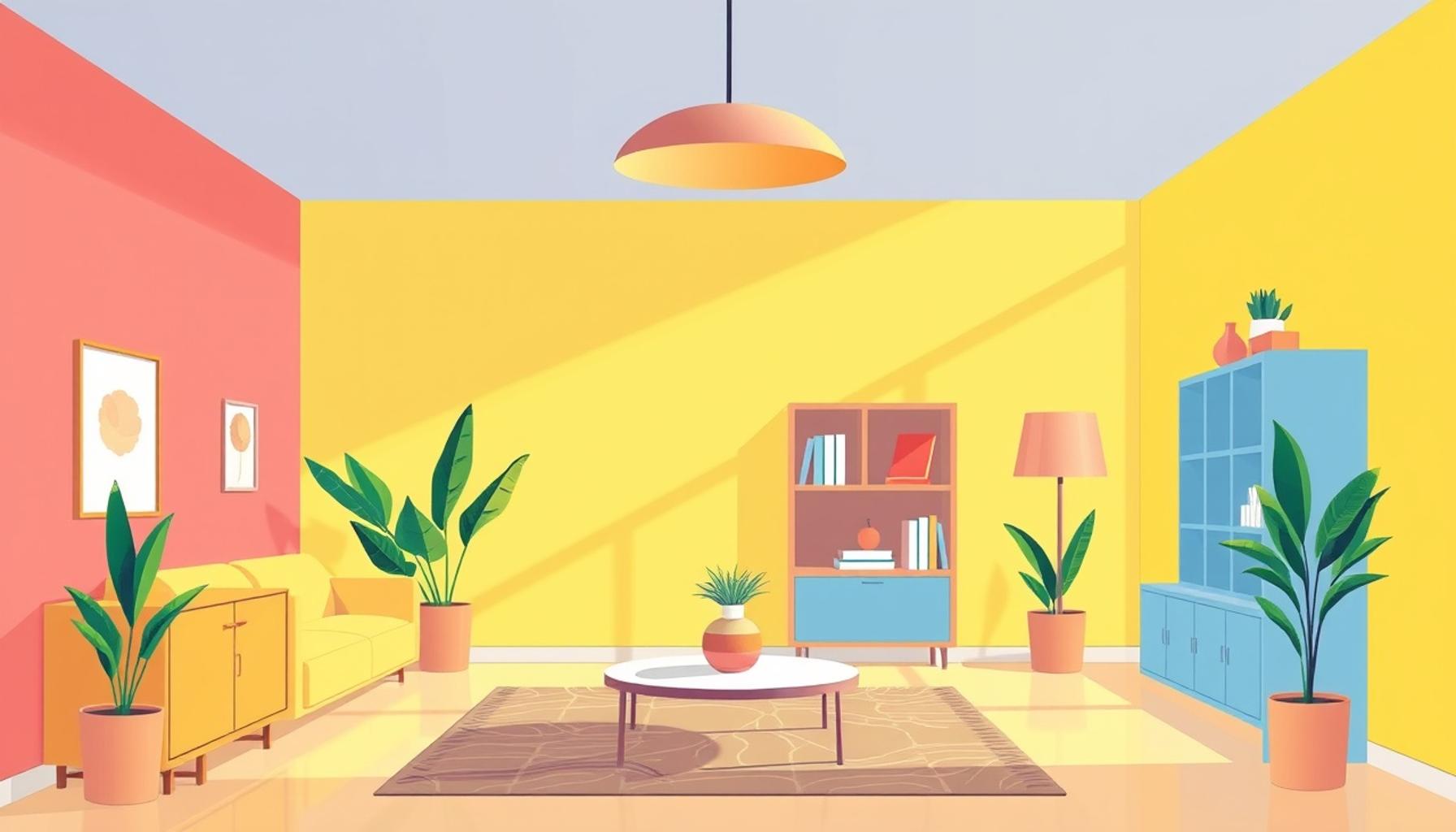
Minimalist design, characterized by its simplicity and functionality, often thrives on the strategic use of color and light. These elements are not merely aesthetic choices; they serve as the foundation upon which inviting spaces are built. By employing a thoughtful color palette and maximizing natural lighting, one can transform any environment into a serene retreat, allowing individuals to feel more at ease and connected to their surroundings.
The Power of Color
Color carries significant weight in influencing our emotions and perceptions. When designing minimalist spaces, it is crucial to consider how color can either enhance or detract from the overall atmosphere. The following concepts exemplify effective color usage:
- Neutral tones such as whites, grays, and beiges promote tranquility and cohesion, making them ideal for creating a calm environment. For instance, a living room painted in soft gray can serve as a serene backdrop for family gatherings, allowing the vibrant personalities of its inhabitants to shine through without distraction.
- Accent colors, when used sparingly, can create focal points that draw the eye without overwhelming the senses. For example, a single piece of vibrant art or a statement chair in a bold hue can liven up a neutral space, adding intrigue while maintaining the overall minimalist aesthetic.
- Color saturation influences mood; softer hues like pastel blues or muted greens foster calmness, ideal for bedrooms or meditation spaces. In contrast, rich, saturated colors can invigorate social spaces, like kitchens or dining areas, encouraging interaction and lively conversation.
The Importance of Light
Natural light is paramount in enhancing minimalist spaces, playing a pivotal role in shaping our experiences. The advantages of incorporating natural light into design include:
- Highlighting textures and materials, such as wooden beams or textured walls, adds depth and interest to the space. A room flooded with sunlight showcases the natural beauty of materials, inviting admiration without the need for excessive ornamentation.
- Creating warmth that invites comfort and relaxation; for example, large windows that allow sunlight to pour in during golden hour can create a cozy atmosphere, making spaces feel inherently welcoming.
- Expanding the perceived space by eliminating harsh shadows; well-lit areas can appear larger and airier, enhancing the minimalist approach where less is more. Using sheer curtains to diffuse sunlight allows for a soft lighting effect, blurring the lines between indoor and outdoor spaces.
By understanding the synergy between color and light, designers can craft spaces that not only look beautiful but also feel harmonious. This exploration into minimalist design is not just about aesthetics; it serves as an invitation to discover new ways to elevate the functionality and emotional resonance of your living environment. Embracing these principles can lead you on a rewarding journey of simplicity that enhances your daily life, encouraging a deeper connection with your spaces.
Understanding the Connection Between Color and Mood
The intricate relationship between color and mood is well-documented, making it a pivotal consideration in the realm of minimalist design. When the essence of simplicity prevails, the colors chosen for a space can elicit profound emotional responses that enhance the overall ambiance. Past studies have indicated that certain shades can evoke specific feelings, which is invaluable knowledge for designers aiming to cultivate inviting environments. The right color palette can make a space feel like a sanctuary rather than just a physical location.
The Emotional Impact of Color Choices
When selecting colors for minimalist interiors, it is essential to understand their psychological effects. Here are several key color categories and their corresponding emotional impacts:
- Cool colors like blues and greens are often associated with calmness and relaxation. These hues can reduce feelings of tension and anxiety, making them perfect for bedrooms or home offices where a tranquil atmosphere is desired. Imagine a soft blue bedroom that aids in promoting restful sleep.
- Warm colors, such as yellows, reds, and oranges, can stimulate conversation and creativity. Incorporating these shades in social spaces, like kitchens or living rooms, can inspire warmth and connection among family and friends. A mustard-yellow accent wall can become a cheerful focal point, naturally drawing people together.
- Monochromatic schemes often work well in minimalist designs, where variations of a single color can create depth while adhering to simplicity. This approach allows for subtle contrasts and eliminates visual clutter, thereby enhancing the serenity that minimalist spaces aspire to achieve.
Illuminating with Purpose
While color undoubtedly plays a significant role in creating inviting spaces, the influence of light cannot be overstated. Lighting has the power to alter the perception of color and dimension within a room. Understanding how to effectively incorporate various lighting types can significantly elevate a minimalist design. Consider the following types of lighting:
- Ambient lighting provides a soft, general illumination that fills the room, setting a soothing backdrop. Utilizing recessed lighting or strategically placed floor lamps can maintain the open feel that is central to minimalist design.
- Task lighting focuses on areas where specific activities occur, such as reading or cooking. Table lamps or under-cabinet lighting in a kitchen can enhance functionality without compromising the minimalist aesthetic.
- Accent lighting highlights particular features, such as artwork or architectural elements, adding an element of intrigue. A well-placed spotlight can transform a simple wall into a showcase without overwhelming other design aspects.
Combining colors and lighting in a thoughtful manner allows for the creation of spaces that not only serve a functional purpose but also cultivate a sense of belonging and ease. Designers who master this connection will find that they can elevate the art of minimalist design and, in doing so, enrich the lives of those who inhabit these uniquely curated environments.
Designing for Simplicity: The Role of Color and Light in Creating Inviting Minimalist Spaces
In the quest for minimalism, understanding the interplay of color and light is imperative for designing spaces that exude warmth and comfort. Minimalist design isn’t merely about decluttering; it’s about creating an atmosphere that feels open and welcoming. This objective can be achieved through careful selection of colors and the utilization of natural and artificial lighting.
Colors play a crucial role in how we perceive space. Soft, neutral tones like whites, greys, and pastels can make a room feel larger and airier. In contrast, darker shades may invoke feelings of intimacy but can also reduce the perceived area of a room. To maximize the advantages of color, incorporating accent walls painted in gentle hues can add character while maintaining a minimalist aesthetic. Moreover, the addition of subtle textures through various materials can bring depth without overwhelming the senses.
Light is equally essential in minimalist design; it can enhance the home’s overall vibe dramatically. Natural light not only brightens spaces but also fosters a connection with the outdoors, encouraging tranquility. Strategically placing mirrors can reflect light, amplifying brightness and creating an illusion of space. Furthermore, adjustable lighting options, such as dimmers and strategically placed lamps, allow for the customization of ambiance, catering to different moods throughout the day.
| Color Choices | Benefits of Light |
|---|---|
| Soft, neutral tones | Enhances mood and comfort |
| Accent colors for depth | Creates dynamic light reflections |
| Texture variations | Encourages sensory engagement |
Utilizing the appropriate color palette alongside smart lighting solutions not only champions minimalist principles but also cultivates inviting environments. Each design choice contributes to an overall sense of serenity and simplicity, proving that less can indeed be more. As you explore these elements, consider how they resonate with your personal style and enhance your living spaces.
The Harmony of Color and Lighting Techniques
In minimalist design, the fusion of color and light is paramount. When harmonized effectively, these elements can transform a bare room into a warm, inviting space that encourages both functionality and comfort. However, achieving this balance requires a keen understanding of how light interacts with color throughout different times of the day.
Emphasizing Natural Light
Natural light is not merely a practical necessity; it is an integral part of minimalist design philosophy. The way sunlight permeates a space not only influences the ambiance but also manipulates color perception. For instance, a north-facing room may lack warmth during the day; hence, cooler color palettes could feel more subdued. In contrast, a south-facing room, drenched in sunlight, might allow for bolder colors without feeling overwhelming. Designers often recommend using lighter hues in areas with less natural light, as they can help enhance brightness and create an airy feel.
Using Artificial Lighting Wisely
While natural light is invaluable, artificial lighting can play a vital role in fine-tuning the ambiance of a minimalist space. The introduction of warm white bulbs can create a cozy environment, making cooler color palettes feel more inviting. For example, pairing a cool grey with warm lighting can yield a cozy, comforting atmosphere, while stark fluorescent lighting can leave even the most aesthetically pleasing environments feeling cold and unwelcoming. This simple adjustment can dramatically change the spatial perception and mood.
The Role of Color Temperature
Another aspect to consider when designing minimalist spaces is the color temperature of light. Ranging from warm oranges to cool blues, color temperature affects how colors appear within a room. In a minimalist setting, where every element holds significance, understanding these nuances can help enhance overall aesthetics. For instance, a gentle amber hue can imbue a soft vitality, invigorating spaces that might otherwise feel too stark. Integrating multiple light sources with different temperatures allows for a dynamic interplay of color throughout the day.
Creating Zones with Color and Light
In minimalist design, defining different areas within an open space can be achieved using strategic color and lighting. By employing distinct colors in various zones, one can create a sense of organization while maintaining simplicity. For example, using a softer color in the seating area contrasted with a more vibrant shade in the dining space can delineate those areas without physical barriers. Supplemental lighting can further enhance this tactic. Spotlights can be used in specific zones to draw attention and clarity to designated activities, while ambient lighting creates a cohesive glow throughout the setting.
Ultimately, the art of designing minimalist spaces lies in the nuanced interplay between color and light. This creative synergy not only simplifies the aesthetic but also cultivates a profound sense of welcome and ease. As designers explore combinations of hues and luminance, they unlock endless possibilities to create spaces that not only adhere to minimalism but also celebrate the emotional connection people have with their environments.
Conclusion: Embracing the Essence of Minimalism
In the realm of minimalist design, color and light are not just mere components but vital elements that breathe life into the simplicity of a space. By understanding how these factors interact, designers can create inviting environments that resonate with both tranquility and sophistication. The ability to maximize natural light while strategically employing artificial sources enables one to guide the mood and functionality of any room.
Essentially, the power of color temperature allows for a seamless transition between day and night, enhancing the emotional landscape of a home. Furthermore, the thoughtful zoning of spaces through color differentiation and lighting can transform an open area into an organized sanctuary, all while embracing a minimalist ethos. This critical interplay between visual and sensory experiences elevates minimalist spaces, making them not only aesthetically pleasing but also deeply welcoming.
As designers and homeowners explore the synergy of color and light, they discover a profound opportunity to create spaces that reflect personal identity, promote mindfulness, and evoke comfort. This journey into minimalism, with a focus on simplicity, fosters a deeper connection to our surroundings, encouraging life without overload. By marrying the principles of minimalism with the artistry of color and illumination, we unlock limitless prospects in designing spaces that are not just functional but cherish the beauty of simplicity.

Linda Carter is a writer and organization expert specializing in minimalism and personal organization. With extensive experience helping individuals create clutter-free, functional spaces and adopt mindful habits, Linda shares her knowledge on our platform. Her goal is to empower readers with practical advice and strategies to simplify their lives, stay organized, and achieve a sense of calm and balance in their daily routines.