
Navigating Food Marketing: Making Informed Nutrition Choices in a Consumer-Driven World
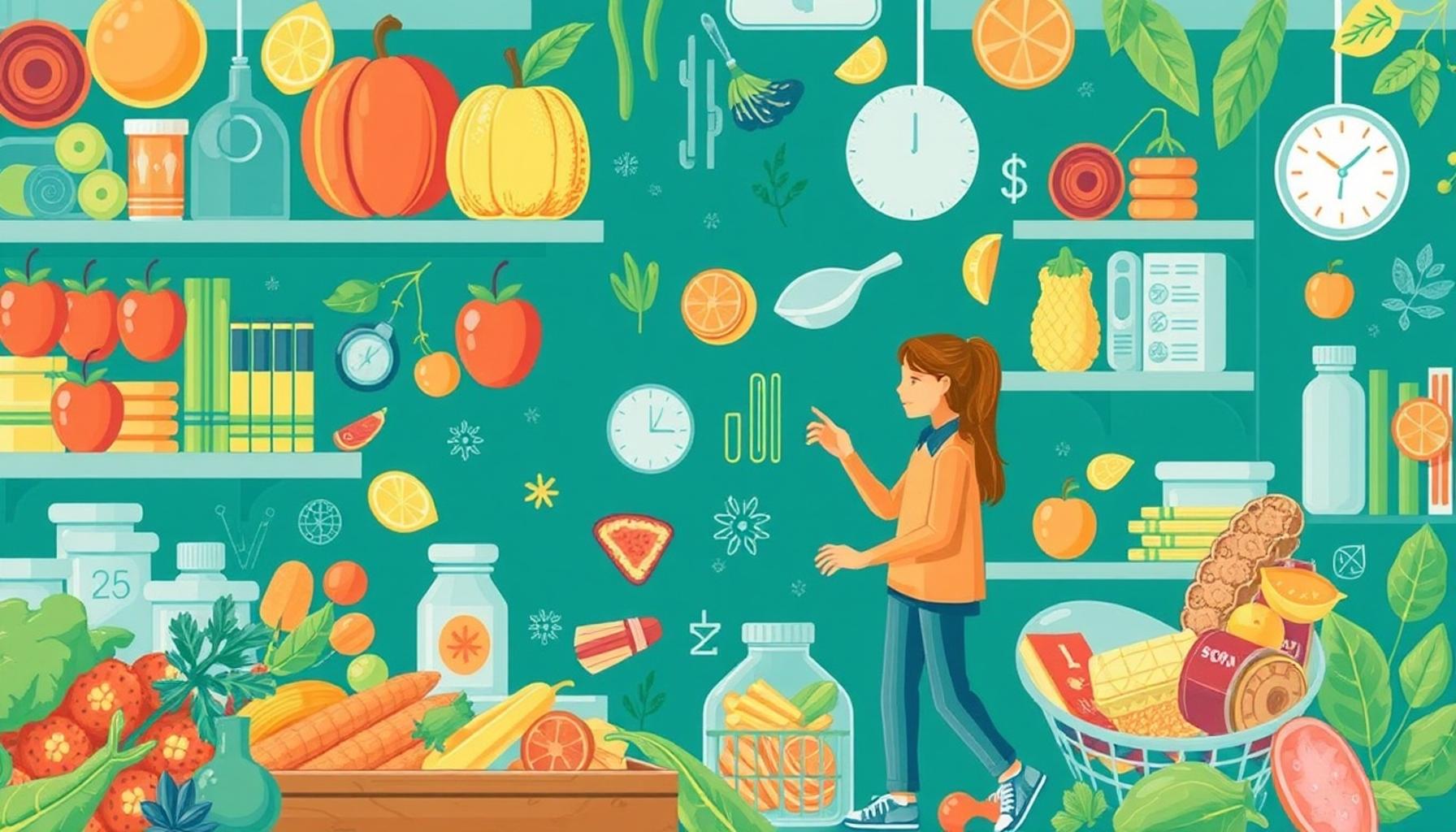
Navigating the Complex World of Food Marketing
In today’s fast-paced consumer landscape, making informed nutrition choices can feel overwhelming. The food industry bombards us with a plethora of messages, all vying for our attention and dollars. As consumers, understanding the intricacies of food marketing is essential for promoting healthier habits in our daily lives.
Advertising Tricks
One of the most notable aspects of food marketing is the use of advertising tricks. Companies often employ vibrant packaging, attractive logos, and eye-catching fonts to draw consumers in. A clear example is seen in the cereal aisle, where brightly colored boxes featuring beloved cartoon characters can dominate the shelves. This type of marketing is not only aimed at children but also at parents who want to create an appealing breakfast experience for their kids.
Nutritional Claims
Companies frequently make nutritional claims that can be misleading. Terms like “organic,” “gluten-free,” or “low-fat” are frequently advertised, leading consumers to believe that these products are inherently healthier. However, the reality may differ; for instance, a snack labeled as “gluten-free” might still be high in sugar or artificial additives. It’s important for consumers to investigate these claims further, examining the ingredients and nutrition labels rather than accepting them at face value.
Influencer Impact
The rise of social media has introduced a new layer of food marketing through influencers. These individuals often showcase their food choices online, influencing followers’ purchasing behavior. A fitness influencer, for example, might spotlight a trendy protein bar, driving sales based solely on their endorsement, rather than the product’s actual nutritional merit. While recommendations can be helpful, it is pivotal to recognize that influencers may prioritize trends over balanced nutrition.
The Importance of Research
These elements complicate our ability to discern what truly constitutes a healthy option. For example, did you know that just because a product bears a health claim does not guarantee its nutritional value is superior to its competitors? Many consumers have been duped into believing that a beverage marketed as “energy-boosting” is superior to a traditional fruit juice, unaware of the high sugar content hidden behind the marketing message. This reality underscores the importance of conducting careful research, including looking into third-party evaluations and scientific documentation regarding health claims.
Empowering Mindful Choices
Understanding how food marketing shapes our decisions enables us to navigate grocery aisles with confidence. By leveraging deeper insights into marketing tactics and learning how to effectively read nutrition labels, consumers can foster a more mindful approach to food selection. For instance, trying to read beyond the front packaging and focusing on the back panel can reveal the true nutrients contained in a food item.
Join us as we explore strategies to make smarter food choices in this consumer-driven world. Applying critical thinking and awareness of marketing tactics allows consumers to cultivate healthier eating habits, ultimately benefiting their well-being and empowering them to take control of their nutrition.
Deconstructing the Marketing Maze
Food marketing is a complex web of strategies designed to capture consumer attention, and understanding these tactics is crucial for making informed nutrition choices. To peel back the layers, we need to recognize the common traps that can lead consumers astray. Below are several key elements that illustrate how food marketing influences our perceptions and choices:
- Visual Appeal: The aesthetic presentation of food products can powerfully influence purchasing decisions. From sleek packaging design to vibrant colors associated with healthy ingredients, marketers carefully curate visuals to trigger appetite and desire.
- Emotional Connections: Advertisements often create narratives that resonate emotionally, linking food products with cherished memories or aspirational lifestyles. This tactic can overshadow objective evaluations of nutritional value.
- Convenience Factor: In a world driven by the need for speed, convenience becomes a key selling point. Ready-to-eat meals and snack packs are marketed as time-savers, potentially leading consumers to prioritize convenience over nutritional content.
The Role of Food Labels
Navigating food labels is essential in deciphering the true nutritional value of products. However, food labels can also be a source of confusion due to varying definitions and formats. Key terms to look out for include:
- Serving Size: This indicates the amount of food typically consumed at one time. Consumers may be surprised to find that what was perceived as a single serving is actually meant to be shared among multiple people.
- Added Sugars: Products may list low total sugars but include high levels of added sugars, which can contribute to health issues such as obesity and diabetes.
- Daily Values: These percentages guide consumers on how the nutrients in a specific serving contribute to one’s daily dietary needs. Familiarizing oneself with these can help in making more health-conscious decisions.
Understanding Ingredient Lists
The ingredient list can be just as revealing as the nutrition label. Typically, ingredients are listed in descending order by weight, meaning the first few ingredients make up the majority of the product. Here are some tips for scrutinizing ingredient lists:
- Look for Whole Foods: Ingredients that are whole and pronounceable should make up the bulk of the list. Items like “whole grains” or “organic vegetables” are indicative of a healthier product compared to those laden with additives.
- Avoid Misleading Terms: Terms like “natural” or “homemade” are not regulated and may not reflect the nutritional quality of the product. Always check the ingredient list to uncover any hidden additives or preservatives.
- Be Cautious of Fillers: Ingredients high in fat, sugar, or artificial components often serve as fillers to enhance taste but may detract from the overall nutrition.
As we continue to decode food marketing strategies, gaining awareness of how brands manipulate perceptions can empower consumers to make choices that align with their health goals. By refining our understanding of food labels and ingredient lists, we lay the groundwork for a more informed and health-centric dietary approach.
Navigating Food Marketing: Making Informed Nutrition Choices in a Consumer-Driven World
As consumers, the ability to make informed nutrition choices is increasingly complicated by pervasive food marketing strategies that play on emotions, lifestyle aspirations, and often misleading health claims. The rise of advertising technologies and data analytics has allowed brands to target consumers more precisely, fueling a barrage of promotions that can obfuscate reality. Understanding the key components of food marketing is essential for consumers striving to make healthier and smarter decisions regarding their dietary habits.
One of the predominant tactics employed in food marketing is the use of health claims and labels that can mislead the average consumer. Phrases like “natural,” “low-fat,” or “high in fiber” can create a perception of healthfulness, even when the overall nutritional profile is not as beneficial as suggested. Consequently, consumers must learn to scrutinize food labels carefully, as marketing can easily overshadow nutritional facts.
Moreover, branding plays a significant role in shaping consumer perception. Many companies invest heavily in creating appealing packaging and engaging narratives around their products, which can overshadow the actual ingredients. When celebrities endorse foods, the glossy that surrounds these brands can lead individuals to trust their products without critical examination. Thus, consumers must stay vigilant and assess products strictly on their merits rather than the allure of their marketing strategies.
In this environment, seeking objective information through credible sources, such as nutrition guidelines from health organizations or scientifically backed research, can empower consumers. Another effective approach is to join communities or platforms that emphasize collective knowledge sharing regarding food choices. This peer support can enhance various aspects of food education and advocate for informed choices amidst the consumer-driven world.
| Category | Benefits |
|---|---|
| Understanding Labels | Equips consumers with the knowledge to distinguish healthy products from misleading ones. |
| Critical Thinking Skills | Enhances decision-making, allowing consumers to challenge marketing claims and make informed choices. |
By honing their ability to analyze food marketing critically, consumers can carve a path in a consumer-driven marketplace that often prioritizes profit over genuine health. As the conversation around nutrition evolves, consumers are increasingly encouraged to become their own advocates for healthier eating by understanding the intricacies of food marketing.
Deciphering Health Claims and Certifications
In the modern marketplace, food products often boast attention-grabbing health claims that can easily mislead consumers. Marketers understand that well-placed phrases can elicit a sense of security or even a false impression of healthfulness. When it comes to evaluating these claims, a critical eye is essential. Here are some common terms and certifications to look for:
- “Low-Fat” vs. “Low-Calorie”: Many consumers equate low-fat labels with healthy choices. However, products marketed as low-fat often compensate with added sugars or artificial ingredients to enhance flavor. A similar caveat applies to low-calorie items, which may lack essential nutrients and flavor.
- Whole Grain Certification: The Whole Grain Council offers a stamp that certifies a product contains significant amounts of whole grains. Choosing products with this certification can help consumers prioritize healthier grain options over refined carbohydrates often found in processed foods.
- “Gluten-Free” Claims: While necessary for individuals with gluten sensitivities, gluten-free labels can mislead those without dietary restrictions into believing they are part of a healthier option. Gluten-free products may still be high in sugars and unhealthy fats.
The Impact of Influencers and Social Media
Social media platforms have become powerful arenas for food marketing, with influencers often playing a significant role in shaping dietary trends and preferences. The authenticity of influencers, however, can vary greatly, with some promoting products based on genuine health benefits while others do so for financial incentives without proper scrutiny. Here’s how to navigate this modern marketing landscape:
- Investigate Influencers: Before taking a product recommendation at face value, research the influencer’s background and qualifications, particularly concerning nutrition. Authentic endorsements typically come from registered dietitians or certified nutritionists.
- Crowdsourced Reviews: Platforms that enable consumer feedback offer an additional layer of scrutiny. Websites like Consumer Reports and apps such as Yelp can provide insights into how products perform in real-world scenarios.
- Fact-Check Claims: Whenever health claims are touted by influencers, cross-reference them with reputable sources or peer-reviewed research. This fact-checking allows consumers to separate marketing hyperbole from scientific truth.
Predicting Trends and Staying Informed
The ever-evolving nature of food marketing demands that consumers remain vigilant and adaptable. Staying informed about current trends in food marketing can help individuals make decisions that reflect their values and health objectives. Here are some practical ways to keep a pulse on this dynamic landscape:
- Subscribe to Health-Focused Publications: Newsletters and magazines that focus on nutrition and health can provide insights into emerging trends, equipping consumers with knowledge about what’s genuinely beneficial versus misleading.
- Attend Food Expos and Seminars: Participating in industry-related events can offer first-hand experience of new products and insightful discussions from experts in nutrition and food technology.
- Utilize Technology: Numerous apps can scan barcodes and analyze products based on health attributes, making it easier for consumers to assess their choices while shopping in-store or online.
By sharpening our understanding of health claims, being discerning consumers of social media trends, and staying updated on the latest food marketing patterns, we can navigate the intricate food marketing landscape more effectively. This knowledge empowers us to make informed nutritional choices that align with our health goals and resist the allure of misleading advertising.
Conclusion
In today’s consumer-driven world, the challenge of navigating food marketing becomes increasingly complex as strategies evolve and new products flood the marketplace. Our journey towards making informed nutrition choices requires a combination of critical thinking, ongoing education, and a willingness to question the narratives presented by marketers.
By understanding the nuances of health claims and scrutinizing the certifications attached to food products, consumers can empower themselves to discern the true value of what they’re purchasing. The rise of social media influencers adds another layer, where recommendations can be both enlightening and misleading. As consumers, we must learn to research and verify information from reliable sources, ensuring that our choices reflect genuine health benefits rather than marketing gimmicks.
Furthermore, staying updated with trends in the food industry—through subscriptions to health-focused publications, participation in food expos, and utilization of technology—arms us with the tools to make choices that not only improve our health but also resonate with our personal values.
Ultimately, the power lies in our hands. With a discerning eye and a proactive approach, we can navigate the intricacies of food marketing, selecting options that truly align with our dietary goals and well-being. The journey may be challenging, but it leads to a healthier and more informed life in the end.