The Influence of Cultural Food Practices on Healthy Nutrition Choices
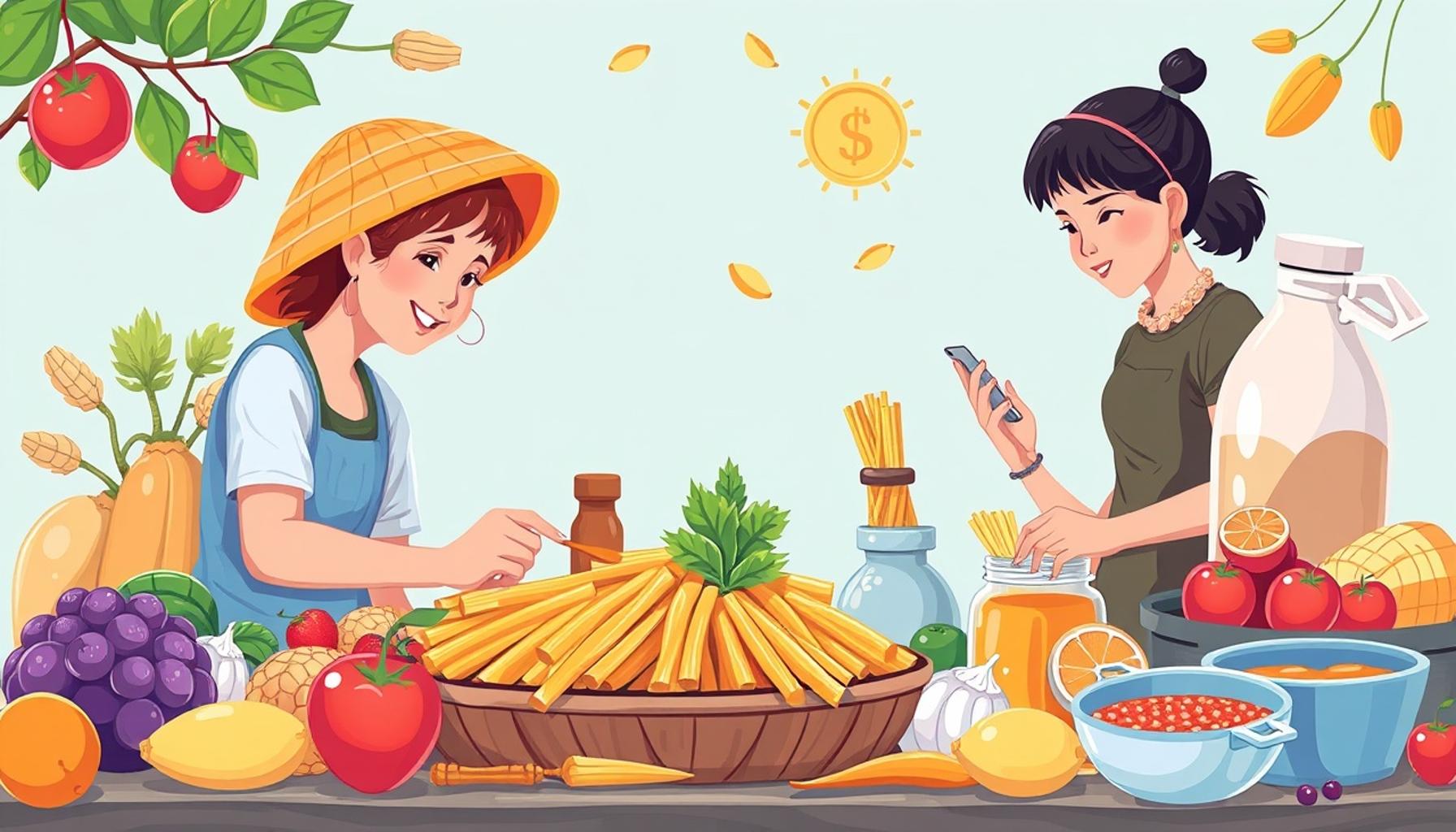
Examining Cultural Influences on Dietary Choices
Culinary traditions serve as a cultural backbone, intricately weaving together personal and collective identities that shape our nutrition choices. Each cuisine tells a story, encapsulating geographical, historical, and social influences that guide what we deem healthy or nourishing. For instance, the vibrant use of spices in Indian cooking not only adds flavor but also incorporates health benefits, thanks to the antioxidant and anti-inflammatory properties of ingredients like turmeric and ginger. Similarly, the Mediterranean diet emphasizes the consumption of fresh fruits, vegetables, olive oil, and lean proteins, which research has shown can significantly reduce the risk of chronic diseases.
Key Elements of Cultural Food Practices
- Ingredients: The core components of each culture’s cuisine are paramount in shaping dietary habits. In African cuisine, for example, staples such as cassava and yams provide essential nutrients and are often complemented by locally sourced vegetables, leading to balanced diets.
- Preparation Methods: The techniques employed to prepare food can have a profound impact on its nutritional value. For example, steaming vegetables retains more vitamins compared to boiling, a common preparation method in some Western cuisines. Additionally, grilling fish or poultry without excessive oil can preserve health benefits while enhancing flavor.
- Social Context: Food is often a catalyst for social interaction, influencing community bonds and family dynamics. Traditional meals in many cultures are often shared experiences, helping reinforce social ties and cultural identity. In the United States, family dinners often serve as a focal point for gatherings, emphasizing the importance of nutrition in fostering relationships.
The United States, known for its diverse culinary landscape, presents unique challenges and opportunities in terms of cultural food practices. The increasing popularity of health-conscious Mexican-American cuisine highlights how traditional ingredients like avocados, beans, and whole grains can be utilized to create nutritious meals. On the other hand, the prevalence of heavily processed foods, such as those found in fast-food restaurants, raises significant public health concerns. Items high in sugar and unhealthy fats not only contradict traditional nutritious paradigms but also contribute to rising obesity rates and diet-related illnesses.
Impacts on Public Health
Delving into the relationship between cultural food practices and nutritional choices yields invaluable insights. Not only does it illuminate the complexities of dietary habits across varied demographics, but it also underlines the importance of culturally relevant health initiatives. By promoting awareness around traditional cooking methods and ingredients, public health campaigns can encourage healthier eating habits that resonate with different populations. For example, initiatives that integrate traditional foods into healthier meal plans have shown promise in improving overall community health outcomes.
In conclusion, the fascinating intersection of culture and nutrition opens doors for exploration, innovation, and improved health. By understanding and respecting the nuanced dietary practices of our diverse population, we can pave the way toward a healthier future for all.
Cultural Ingredients: The Heart of Dietary Choices
Ingredients form the cornerstone of cultural food practices, profoundly impacting what communities consider healthy nutrition choices. Each culture brings forth a unique set of staple foods that not only defines their culinary identity but also informs their nutritional beliefs. In Mexican cuisine, for example, ingredients like beans, corn, and avocados are key components that offer a wealth of nutrients while promoting heart health and longevity. In contrast, many American diets, heavily influenced by fast-food culture, often prioritize convenience over nutrition, leading to a reliance on processed ingredients high in sugars and unhealthy fats.
Exploring Nutritional Values of Traditional Ingredients
Understanding the nutritional value of ingredients specific to different cultures can enhance awareness of healthy eating patterns. Here are a few examples:
- Quinoa: Native to the Andean regions, this ancient grain is rich in proteins and essential amino acids, making it a popular choice in healthy diets across various cultures.
- Sweet Potatoes: A staple in African and Caribbean cuisines, sweet potatoes are packed with vitamins and fiber, contributing to improved digestion and overall health.
- Fermented Foods: Across multiple cuisines, such as Korean kimchi or Eastern European sauerkraut, these foods provide probiotics that promote gut health, demonstrating how cultural practices can encourage beneficial nutritional choices.
Furthermore, the shift towards recognizing plant-based diets within many cultural contexts signifies a growing awareness of nutrition. The embrace of vegetarian dishes in Indian cuisine, for instance, is not merely a dietary choice but a reflection of the cultural values surrounding health and environmental sustainability. As people become more health-conscious, traditional ingredients often experience a renaissance, redefining the way they approach meals.
Preparation Techniques with a Healthy Twist
The methods used to prepare food also play a critical role in shaping healthy nutrition choices. Strongly associated with various culinary traditions, these techniques can either enhance or diminish the nutritional benefits of the ingredients. For instance:
- Steaming and Grilling: Popular in many Asian and Mediterranean dishes, these cooking methods preserve nutrients while adding natural flavors.
- Fermentation: This ancient technique not only improves flavor but also increases the bioavailability of nutrients, as seen in traditional Japanese miso soup or sourdough bread.
- Slow Cooking: Emphasized in several cultures, slow cooking allows flavors to meld and nutrients to be retained, particularly in stews and soups.
In the contemporary landscape of American eating habits, where convenience often trumps nutritional mindfulness, these traditional preparation methods serve as a gentle reminder of the potential health benefits hidden in the culinary practices of various cultures. By reviving these time-honored techniques, individuals can not only improve their dietary choices but also connect with their cultural roots.
Thus, as we navigate the diverse culinary world, understanding the influence of cultural food practices on nutrition is crucial. It exemplifies how a focus on traditional ingredients and preparation methods can lead communities towards healthier choices, transforming diets and ultimately enhancing public health.
| Cultural Influence | Health Benefits |
|---|---|
| Traditional Cooking Methods | Use of natural ingredients and methods that enhance nutrient retention. |
| Cultural Celebrations | Encourages community bonding and sharing of healthy recipes that promote nutrition awareness. |
| Diverse Dietary Practices | Incorporation of various food groups and flavors, resulting in a balanced diet. |
| Heritage Ingredients | Utilization of indigenous food sources rich in vitamins and minerals vital for health. |
Cultural food practices significantly shape our nutrition choices, influencing what we eat and how we perceive food. Traditional cooking methods often emphasize the use of natural ingredients, which can lead to healthier meals. These practices may prioritize whole foods over processed items, retaining more nutrients throughout the cooking process. Moreover, cultural celebrations often serve as platforms for sharing traditional recipes, which reinforces community cohesion and fosters a culture of nutrition awareness.Diverse dietary practices across different cultures result not only in varied flavors but also in a more balanced intake of essential nutrients. By incorporating a rich tapestry of ingredients, people enjoy meals that can significantly contribute to overall health. Additionally, heritage ingredients, often embraced in cultural practices, are rich in micronutrients and support various health benefits, making them vital components for maintaining a nutritious diet.The interplay between cultural practices and nutrition highlights the importance of understanding how these elements can lead to healthier lifestyle choices. As societies become more interconnected, the exchange of culinary traditions can lead to a broader appreciation of nutrition and its role in health.
Social Dynamics and Food Sharing Traditions
The social aspect of food is a powerful driver in cultural practices, influencing what and how we eat. Sharing meals is a common ritual across cultures, serving not just to nourish the body but also to cultivate community and belonging. This communal aspect of dining can shape healthier nutrition choices by encouraging families and friends to prepare and consume meals together. For example, the Mediterranean diet, celebrated for its health benefits, promotes a shared dining experience, featuring a variety of fresh vegetables, whole grains, and lean proteins. Sharing meals not only introduces a diversity of flavors and nutrients but also fosters conscious eating habits, allowing for slower, more mindful consumption that can lead to better digestion and satisfaction.
The Role of Cultural Celebrations
Cultural festivals and celebrations often center around specific foods that carry significant meanings and traditions. These occasions highlight the importance of healthy food options and often rekindle public interest in local ingredients. For instance, in the United States, the cultural significance of Thanksgiving and its emphasis on seasonal produce such as squash, turkey, and cranberries serves as a reminder of local agricultural bounty. By celebrating these traditions, participants often rediscover recipes that include nutritious ingredients, thus reinforcing healthy eating patterns.
Additionally, celebrations rooted in cultural heritage encourage families to maintain dietary customs that favor fresh, wholesome foods, often passed down through generations. This preservation of traditional recipes can shield communities from the creeping influence of fast food and processed options, maintaining a vibrant connection to their roots while supporting overall well-being.
Education and Generational Knowledge Transfer
Cultural food practices also play a role in the education of nutrition, especially as culinary knowledge is often handed down from older generations to younger ones. Abuelas (grandmothers) in Latin American cultures, for instance, impart the significance of beans, rice, and fresh vegetables not only through recipes but also through the cultural narratives attached to these traditional dishes.
This generational transfer of knowledge ensures that younger individuals appreciate the nutritional value of their cultural heritage. According to various studies, individuals who engage in cooking traditional meals report a greater understanding of nutrition and healthier eating habits, highlighting the crucial impact that cultural practices have on dietary choices. This influence moves beyond mere food; it embeds values of sustainability, respect for local agriculture, and self-sufficiency within younger generations.
- Cooking Classes: Some communities and culinary schools in the U.S. are focusing on local, traditional cuisines to teach nutritional literacy. This approach promotes awareness of both cultural diversity and healthy eating.
- Farmers’ Markets: Many communities are now establishing farmers’ markets that emphasize local ingredients, encouraging healthy choices while celebrating cultural diversity through food.
- Documentaries and Cookbooks: With the rise of interest in traditional cooking, many documentaries and cookbooks explore cultural food practices, further linking healthy nutrition choices with cultural identity.
These educational initiatives foster a greater appreciation for how cultural heritage shapes dietary preferences, leading to healthier choices that prioritize whole, unprocessed foods. As American society continues to evolve, integrating traditional knowledge with contemporary nutritional science could empower individuals to make informed choices based on their diverse backgrounds.
Conclusion: Embracing Cultural Heritage for Healthier Choices
The exploration of cultural food practices reveals a profound connection between our traditions and healthier nutrition choices. As we have seen, the social dynamics in meal sharing not only foster bonds but also encourage a diverse array of nutritious foods that elevate the collective eating experience. This interplay enhances the value placed on fresh ingredients and can lead to mindful eating habits that have lasting impacts on individual health.
Moreover, cultural celebrations serve to reinforce our links to nutritious foods—cultivating an appreciation for seasonal produces and traditional culinary techniques that have stood the test of time. These moments of gathering around the table act as vital reminders of the importance of community while simultaneously sparking renewed interest in local agricultural practices and wholesome cooking.
As the transfer of culinary knowledge from older generations to younger ones continues, we are reminded that food is more than sustenance; it is an embodiment of culture, history, and identity. By nurturing an understanding of our nutritional heritage through educational initiatives, we can challenge the modern prevalence of processed foods. Instead, we can promote choices that reflect both our roots and well-being.
In summary, embracing the influence of cultural food practices can empower individuals and communities alike to make informed dietary choices that honor both tradition and health. The path forward lies in celebrating our diverse culinary heritages while fostering a lifestyle that prioritizes balance, sustainability, and wellness. As we pave the way toward healthier futures, let us rediscover the rich narratives behind our meals and draw upon them for guidance in our quest for nutrition.