
How to Motivate Children to Engage in Physical Activity
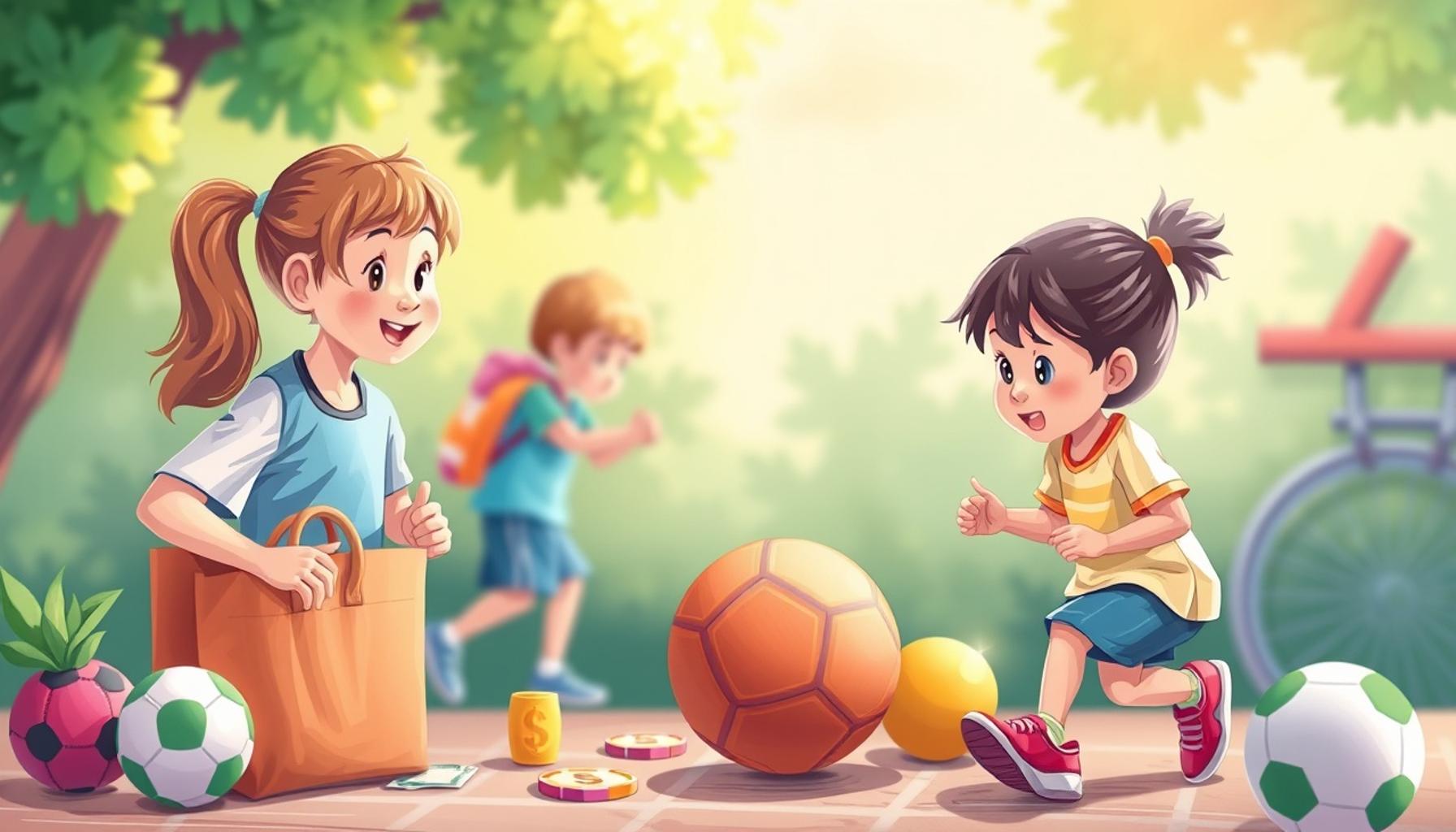
Engaging Children in Physical Activity
In a world dominated by screens, encouraging children to engage in physical activity can be a daunting task. With rising rates of childhood obesity and sedentary lifestyles, parents and educators must find innovative ways to inspire youngsters to get moving. According to the Centers for Disease Control and Prevention (CDC), about 23% of children aged 2 to 19 are obese, highlighting the urgent need for effective strategies to incorporate exercise into their daily routines.
Motivating children involves a blend of creativity, fun, and understanding their unique interests. Here are some effective strategies:
- Incorporate Games: One of the most effective ways to get kids moving is through games. Activities like obstacle courses, scavenger hunts, or traditional playground games, such as tag or dodgeball, encourage physical movement while blending in the element of fun. For example, using hula hoops or jump ropes can not only get children exerting energy but also promote coordination and balance.
- Lead by Example: Children often model behaviors observed in adults. If parents and educators demonstrate an active lifestyle—whether through jogging, cycling, or even participating in local sports leagues—they are more likely to inspire children to adopt similar habits. Family sports nights can be an enjoyable way to show kids that staying active is a fun part of life.
- Offer Choices: Allowing children to choose their preferred activities fosters a sense of ownership over their fitness. Whether they prefer dancing, swimming, soccer, or martial arts, offering a variety of options helps cater to their interests and can result in increased commitment to staying active. Setting up a “choose your activity” day can be a great way to explore new forms of exercise.
- Set Goals: Establishing achievable fitness goals instills a sense of accomplishment. This could range from walking a certain number of steps daily to participating in a fun run. Celebrating these milestones, whether they are big or small, can motivate further engagement. A visual progress chart can also encourage kids to reach their fitness objectives.
- Utilize Technology: In a tech-savvy age, using apps or wearable devices that track physical activity can make exercise more interactive and engaging. Fitness apps that incorporate challenges or social components can encourage kids to get active while competing with friends or family members, making exercise feel less like a chore and more like a game.
Research indicates that kids who participate in regular physical activity exhibit enhanced concentration and improved performance in school. Studies also show that active children tend to perform better academically, highlighting the importance of integrating physical activity into their daily lives.
Understanding children’s motivations is key to making sports and exercise a thrilling part of daily life. Initiatives in schools to incorporate more physical education or after-school programs focused on fitness can serve as vital stepping stones in promoting healthier lifestyles among youth.
As we delve deeper into this topic, discover how to create a supportive environment that encourages children to stay active and healthy. Engaging communities and families to come together for local fitness events—like charity walks or fun sports days—can also contribute significantly to fostering a culture of health and wellness among children.
Creative Strategies to Inspire Movement
Encouraging children to engage in physical activity is not just about pushing them to exercise; it’s about making the experience enjoyable and relatable. Understanding that each child is unique and will have different interests can lead to more tailored approaches that foster enthusiasm for movement. Here are several practical methods to motivate children to get up and be active:
- Emphasize Team Spirit: Children are often motivated by social interaction. Introducing them to team sports can harness this need for connection. Activities such as soccer, baseball, or basketball not only build physical skills but also foster teamwork and friendship. Being part of a team can instill a sense of belonging and purpose, motivating children to participate more regularly.
- Celebrate Active Adventures: Transform ordinary outings into exciting adventures that incorporate physical activity. Plan family hikes, trips to the local trampoline park, or even nature walks where kids can explore and actively participate in their surroundings. These experiences create lasting memories while simultaneously promoting physical movement in a fun, engaging way.
- Engage with the Community: Local community centers often offer various programs and classes tailored for children. Joining groups like gymnastics, dance, or martial arts not only promotes fitness but also exposes children to new activities they may find enjoyable. Surveying available options in your community can spark interest in previously unknown sports or activities.
- Incorporate Movement into Daily Routines: Simple changes in daily routines can significantly boost activity levels. Encourage children to walk or bike to school or participate in household tasks that promote physical movement. Making chores a game, like racing to see who can complete them the fastest, can transform mundane tasks into opportunities for fitness.
- Utilize Seasonal Sports: Different seasons offer unique opportunities for engaging in various physical activities. From skiing in the winter to swimming in the summer, adapting to the seasons can keep children interested and excited to try new things. Encouraging participation in seasonal sports can foster a healthier relationship with physical activity year-round.
Moreover, it’s essential to remember that motivation may come in waves. Some children may show interest in specific activities for a short time, while others may remain consistently engaged. To support their journey, regular communication about their preferences and experiences can help identify what works best for them. Keeping the lines of communication open ensures their interests continue to evolve, leading to lasting fitness habits.
Equipping children with the tools and encouragement to stay active not only benefits their physical health but also addresses their emotional well-being. A strong link exists between physical activity and improved mood, reduced anxiety, and enhanced self-esteem. By utilizing these strategies, parents and educators can create an environment that nurtures both physical and emotional development.
| Motivation Strategies | Potential Benefits |
|---|---|
| Incorporating Fun Activities | Enhances enjoyment, leading to increased participation. |
| Setting Achievable Goals | Fosters a sense of accomplishment and builds self-esteem. |
| Creating a Supportive Environment | Promotes positive reinforcement and enhances social interactions. |
| Utilizing Technology | Engages children with interactive experiences that can result in greater enthusiasm. |
Engaging children in physical activity is more than just encouraging them to play. It’s about creating an atmosphere where they are excited to be active. When parents and educators incorporate fun activities, children are naturally drawn to participate, enhancing their overall enjoyment. Setting realistic and achievable goals can also cultivate a sense of accomplishment, which is vital for boosting self-esteem in young ones. A supportive environment, whether at home or in school, is essential for motivating children. Positive reinforcement, from both peers and adults, helps children to feel valued and encourages them to engage more consistently in physical activities. Additionally, the integration of technology in fitness—through apps or interactive play platforms—can ignite a child’s enthusiasm for being active, providing a modern twist that resonates with today’s youth. All these strategies paint a promising picture of how to engage children in physical activity meaningfully.
Leveraging Technology for Active Play
In this digital age, technology can be both a hurdle and a bridge to engaging children in physical activity. Rather than viewing screens as adversaries in maintaining an active lifestyle, parents and educators can utilize technology to promote movement. Here are some innovative approaches to blend active play with technology:
- Interactive Fitness Games: Video games that require physical interaction, such as Just Dance or Ring Fit Adventure, can be a fantastic way to get children moving without them realizing they are exercising. These games often involve dance, sports simulations, or fitness challenges, encouraging kids to jump, run, and even engage in strength training while having fun. Diverse platforms, including consoles and mobile devices, offer a range of options that can entice children to break a sweat.
- Fitness Apps with Challenges: There are numerous apps designed to make workouts more engaging through gamification. Apps like Zombies, Run! transform running into an immersive experience where users must outrun virtual zombies. Others, like Nike Training Club, provide video-guided workouts tailored for children. By encouraging friendly competition, these apps can motivate children to reach milestones and stay committed to their fitness journey.
- Encourage Virtual Playdates: Setting up virtual hangouts where friends can participate in online dance-offs, workouts, or even virtual scavenger hunts can create avenues for socializing while promoting activity. Platforms like Zoom or Discord can facilitate group challenges, where children not only catch up with friends but also engage in fun, active sessions together.
- Dance and Movement Videos: Utilize platforms like YouTube to find dance tutorials or active workout videos suitable for children. Channeling energy through movement can be both entertaining and beneficial. Participating in a group watch with family or friends can further enhance the experience, turning it into a social event rather than a solo activity.
- Smart Wearables: Smartwatches or fitness trackers can serve as great motivation tools for children. These devices can track daily activity levels and even encourage children to meet daily step goals through fun reminders and rewards. By gamifying their movements, children can become more aware of their physical activity, creating a sense of accomplishment that fosters long-term commitments to fitness.
While technology can serve as a catalyst for increased physical activity, it’s essential to maintain balance. Setting limits for screen time while encouraging active options ensures that children benefit from technology without falling into sedentary habits. Conversations about the importance of moderation and integrating physical activities into their daily lives should be commonplace.
Furthermore, involving children in selecting technological tools fosters a sense of ownership. When children choose what activities they want to engage in, whether it’s a fitness app or an active game, they are more likely to commit and enjoy the process. This involvement not only promotes autonomy but also creates a connection between them and fitness, enhancing their experience.
By integrating technology into physical activities thoughtfully, parents can help children find enjoyment and excitement in being active. The goal is to cultivate a lifestyle where movement is integral, and it feels less like a chore and more like an adventure. As children thrive in this environment, their affinity for physical activity is likely to grow, enriching their health and well-being for years to come.
Conclusion
Motivating children to engage in physical activity is not merely about encouraging them to exercise; it is about fostering a lifelong appreciation for movement and healthy living. By utilizing diverse strategies, parents and educators can create an environment where being active becomes an enjoyable and integral part of daily life. From making physical activity interactive and fun through games and technology to establishing social connections that brighten the experience, the possibilities are endless.
Importantly, leading by example is crucial—when adults prioritize their own physical activity, children are more likely to mirror those behaviors. The role of community cannot be understated; parks, schools, and local sports leagues all play a significant part in promoting active lifestyles. Additionally, it is vital to recognize that every child is different, and tailoring approaches to suit individual interests and personalities can make all the difference.
As we move forward in this increasingly digital age, it is essential to embrace technology as an ally rather than a foe. By incorporating fitness apps, interactive games, and virtual challenges, we can transform physical activity into a compelling adventure rather than a mundane obligation. Establishing clear, achievable goals, and celebrating milestones can ignite a sense of accomplishment that enhances motivation.
In conclusion, encouraging children to lead an active lifestyle requires a combination of creativity, enthusiasm, and support from their immediate environment. By fostering an atmosphere where movement is celebrated and accessible, we can ensure that children not only thrive in their youth but continue to prioritize their health and fitness well into adulthood. The journey towards an active, healthy life starts with small steps, and every effort made today sets the stage for a robust future.