
Mindset Shift and the Science of Affirmations: How to Reprogram the Brain for Success
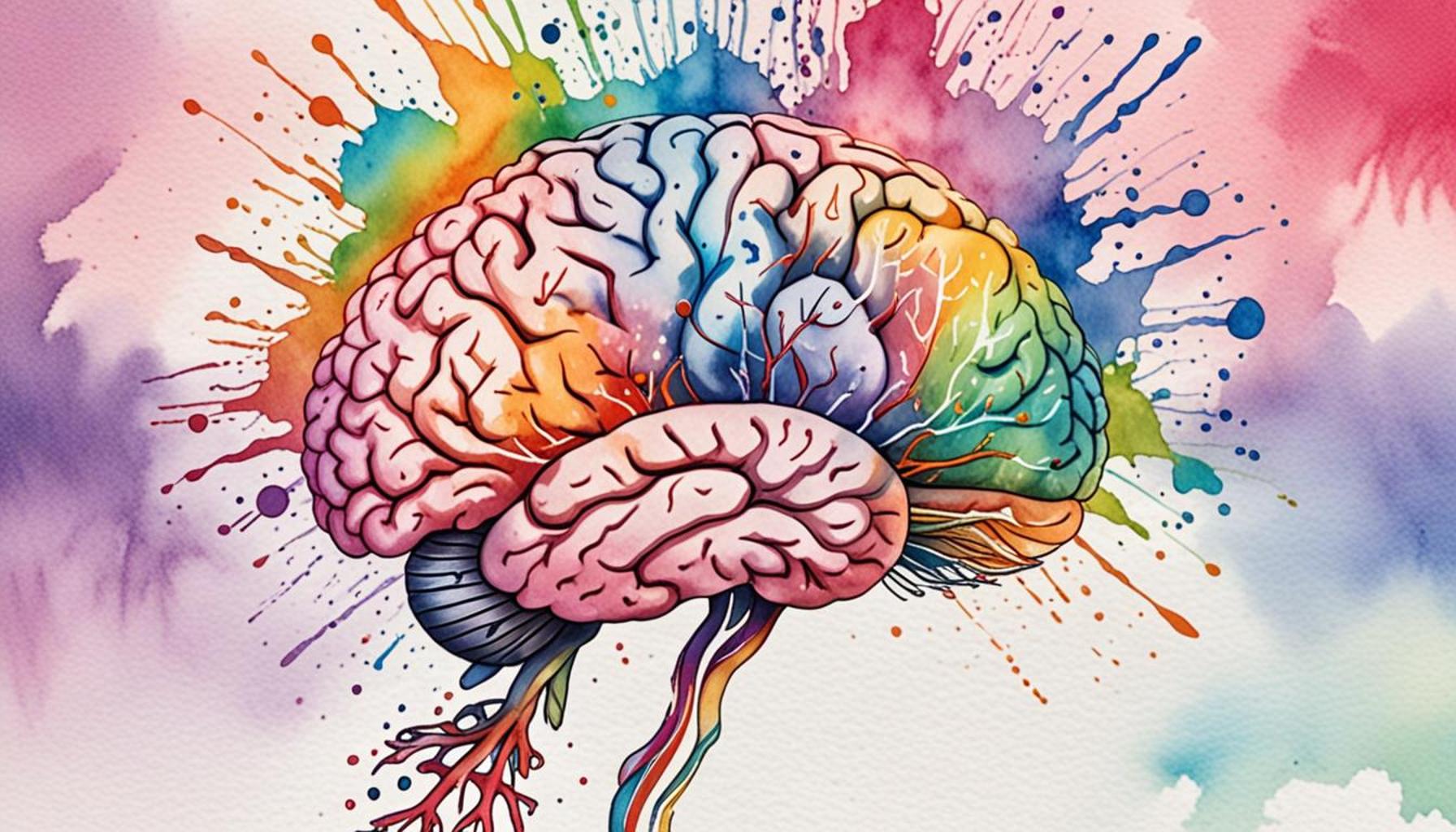
The Transformative Power of Mindset and Affirmations
Have you ever considered how deeply your thoughts impact your daily life? The power of your mindset is profound, providing individuals with the ability to change their circumstances and elevate their paths towards success. With a growing body of research linking mindset with performance, it’s clear that harnessing this power can yield transformative results.
Leading studies have shown that neuroplasticity—the brain’s capability to adapt by forming new neural connections—plays a crucial role in this process. Neuroscientists suggest that our thoughts, emotions, and even behaviors can foster or inhibit new connections in the brain. For instance, practicing mindfulness or engaging in cognitive behavioral strategies not only helps to manage stress but can also create lasting changes in the way our brains process adversity and challenges.
- Neuroplasticity: The ability of the brain to reorganize itself is critical, allowing for growth and adaptation in response to new experiences.
- Affirmations: Research indicates that repeatedly stating positive affirmations can boost self-esteem and mitigate feelings of self-doubt. There are even apps and platforms dedicated to helping individuals incorporate daily affirmations into their routines for maximum effect.
- Mindset Shift: A pivot in perspective—such as viewing failures as opportunities for growth—can enhance resilience and improve problem-solving capabilities. For example, many successful entrepreneurs attribute their resilience to adopting a growth mindset, viewing challenges as stepping stones rather than roadblocks.
Understanding the science behind affirmations and mindset shifts illuminates how these concepts can pave the way for greater achievements. This intricate connection between your thoughts and brain function unveils several key insights:
- How affirmations serve to rewire your brain for success by breaking negative thought patterns and fostering a more optimistic outlook.
- The significant role positive thinking plays in professional development, as demonstrated by successful individuals who credit their achievements to their optimism and resilience.
- Practical strategies to cultivate a success-oriented mindset, such as setting specific goals, visualizing success, and surrounding yourself with positive influences.
This article invites you to explore these mechanisms in depth, equipping you with the tools to effectively implement affirmations and seamlessly shift your mindset. By fully embracing these concepts, you can take charge of your journey, redefine your potential, and create meaningful, lasting change in your life. Start your exploration today and uncover the possibilities that lie ahead.
DISCOVER MORE: Click here to unlock the secrets of vision boards

Unlocking the Mechanisms of Change: The Role of Affirmations
Understanding the mechanisms that drive the effectiveness of affirmations reveals their potential to create significant shifts in our mindset. At the heart of this process is the brain’s remarkable ability to rewire itself in response to the stimuli it receives. Affirmations act as a form of self-induced suggestion, interrupting automatic negative thought patterns and initiating a transition toward more constructive self-talk.
Research indicates that when individuals engage in positive affirmations, they activate regions of the brain associated with reward and motivation. Specifically, studies utilizing brain imaging technology, such as fMRI, have shown increased activity in the ventral striatum—the area linked to emotional regulation and decision-making—upon exposure to affirming statements. This scientific insight emphasizes that repeating affirmations does not merely echo empty phrases; rather, it stimulates cognitive pathways that promote a sense of self-worth and optimism.
- Breaking Negative Cycles: Regular use of affirmations can diminish the cognitive effects of negative thoughts, creating a healthier internal dialogue. By consistently affirming one’s strengths and capabilities, individuals can effectively diminish self-doubt and anxiety.
- Fostering Positivity: Engaging in daily affirmations encourages a focus on personal strengths, providing a much-needed boost in motivation and resilience. When individuals shift their focus from limitations to possibilities, they cultivate a growth-oriented mindset.
- Strengthening Neural Pathways: As affirmations are repeated, they strengthen neural connections associated with positive beliefs about oneself. Over time, this can lead to a more ingrained positive self-perception and greater success in various aspects of life.
Further compounding the benefits of affirmations is their synergy with mindset shifts. By coupling affirmations with an intentional change in perspective, such as adopting a growth mindset, individuals can amplify the impact of their affirmations. A growth mindset fosters the belief that abilities and intelligence can be developed through hard work and dedication, leading to greater resilience in the face of setbacks.
For instance, consider the story of a talented athlete who faced a career-threatening injury. Through a combination of affirmations highlighting their recovery strengths and an unwavering commitment to improvement, the athlete not only returned to their sport but also achieved greater success than before. Such examples underscore the potential transformations that a shift in mindset can yield, illustrating how affirmation and resilience can propel someone to unforeseen heights.
As we delve deeper into the science behind affirmations and mindset shifts, we discover the profound implications these tools have on achieving success. Embracing this knowledge can equip you to harness your full potential, paving the way for breakthroughs both personally and professionally.
| Key Targets | Strategic Outcomes |
|---|---|
| Self-Confidence | Affirmations can significantly enhance self-esteem by changing negative self-talk. |
| Stress Reduction | Regular use of positive affirmations contributes to lower levels of stress and anxiety. |
| Goal Achievement | Affirmations can increase focus and motivation, making the path to success clearer. |
| Emotional Resilience | Positive affirmations build resilience, allowing individuals to bounce back from setbacks more quickly. |
In exploring the transformative power of a mindset shift, it is critical to understand how affirmations work in the brain. Neuroscientific research indicates that by consciously using affirmations, you activate the brain’s reward centers, which helps solidify positive changes. As these new neural pathways form, they pave the way for improved mental health and overall wellbeing. This scientific backing helps to demystify the concept of affirmations, emphasizing their genuine impact.Moreover, implementing a robust affirmation practice can bolster one’s ability to navigate challenges. This practice not only promotes a shift in perspective but also nurtures a belief in one’s capacity for growth and success. Keeping these affirmations specific, personalized, and vivid enhances their effectiveness, leading to a more profound *rewiring* of the brain. Each positive statement becomes a building block toward achieving greater goals, bridging the gap between aspiration and realization.
DISCOVER MORE: Click here to learn how daily affirmations can ease anxiety
The Impact of Science on Self-Perception and Motivation
The intersection of neuroscience and psychology offers compelling insights into how affirmations can foster fundamental changes in self-perception and motivation. According to Dr. Tara Kraft and Dr. Richard Ryan of the University of Rochester, affirmations are not just simple slogans; they are essential tools that can evoke a range of emotional responses that drive behavior. Their studies indicate that affirmations can significantly reduce stress and improve performance, especially in high-pressure situations.
In practical terms, engaging in a daily affirmation routine can serve as a proactive strategy for those aiming to achieve personal and professional growth. For instance, research conducted by Dr. Judith Brooks from the University of Northern Colorado demonstrates that individuals who regularly practice affirmations experience greater progress toward their goals compared to those who do not. By becoming conscious architects of their self-talk, they can reshape their internal narrative from one of limitation to one of opportunity.
- Enhancing Performance: Athletes and performers have long utilized affirmations as a part of their mental preparation. These positive statements can prime the mind for success, allowing individuals to perform at their best when it matters most. This technique, often referred to as visualization, is complemented by affirmations that reinforce an athlete’s confidence in their abilities.
- Building Resilience: In today’s fast-paced world, resilience is a crucial skill. Individuals facing setbacks, be it in career or personal life, can benefit from a mindset shift driven by affirmations. Studies show that those who incorporate affirmations into their daily routines are more inclined to adapt and bounce back from challenges, viewing failures as learning opportunities rather than insurmountable obstacles.
- Influencing Social Dynamics: Affirmations not only improve personal mindset but can also affect collective dynamics in group settings. A workplace that encourages positive affirmations can foster a cohesive environment, enhancing teamwork and collaboration. This, in turn, can lead to improved performance and productivity across the organization.
The implications of affirmations extend beyond the individual. A noteworthy study published in the journal “Social Cognitive and Affective Neuroscience” highlights how the act of affirming can lead to prosocial behaviors. Individuals who affirm their beliefs demonstrate greater empathy and are more likely to help others, creating a ripple effect of positivity in social contexts.
Furthermore, the influence of culture on affirmations cannot be overstated. In the United States, the concept of the American Dream encapsulates the belief in self-improvement and the power of positive thinking. Many successful individuals, from entrepreneurs to artists, have attributed their achievements to the power of affirmations and the mindset shifts they prompted. This cultural narrative underscores the profound impact that a shift toward positivity can have on both individual outcomes and societal structures.
As we continue to explore the robust science behind affirmations and mindset shifts, new methodologies and practices emerge that enhance our understanding of these phenomena. Engaging deeply with the mechanisms at play can not only enlighten you about the path to success but also empower you to reshape your future.
DISCOVER MORE: Click here to dive deeper
Conclusion: The Pathway to Personal Transformation
In summary, the exploration of mindset shifts and the science of affirmations reveals a profound mechanism by which individuals can reprogram their brains for success. The compelling evidence from neuroscience and psychology highlights that affirmations are not mere words but potent psychological tools that initiate significant changes in self-perception and motivation. When practiced consistently, affirmations can enhance resilience, sharpen performance, and positively influence interpersonal dynamics.
Engaging with these practices not only empowers individuals to challenge limiting beliefs but also nurtures a culture of positivity, particularly in collaborative environments. As highlighted in various studies, those who integrate affirmations into their daily routines experience heightened progress towards their goals, showcasing the tangible benefits of such a mindset shift. The ripple effects of adopting positive affirmations extend beyond personal growth, fostering empathy and collective well-being within communities and workplaces.
As we further embrace the findings surrounding mindset transformation, it becomes clear that affirmations present a viable pathway towards achieving one’s potential. Moving forward, individuals are encouraged to delve into this area, experimenting with personal affirmations to identify which resonate and inspire action. The journey of reprogramming the brain for success is not just an individual endeavor; it holds the potential to reshape societal narratives and bolster collective aspirations across the United States and beyond.